‘Plan-S’ model of research publication – a serious and unwarranted drain on money meant for actual research

Research is an essential part of human civilization. The practice of sharing of the knowledge gained through research by the investigator with other fellow human beings has played a pivotal role in all the developments in human societies since their inception. The modes of sharing of the knowledge have evolved with technological advances from oral to written to printed, and now to ‘soft’ form on the internet. With the advent of formally organized science and technology, communication of new research findings also got more organized and led to publication of scholarly research journals, initially by learned societies and academies, and later by commercial publishers as the number of researchers and volume of their findings requiring dissemination increased exponentially over the years.


The current state of research publications is plagued by multiple, inter-related as well as independent issues which make the experience of publication a night-mare rather than a pleasure. On the one hand we have the so-called high-impact factor tagged journals which often remain beyond the reach of most researchers because of considerations other than merit, and on the other end, we have a rapidly breeding genre of  predatory/bogus journals that would publish ‘anything’ for a fee. Between these two extremes, are the large numbers of ‘hybrid’ as well as online-only journals that may or may not charge authors for publications and/or open access (OA). In recent years, stiff competition has encouraged an increasing number of journals to levy charges of one or the other kind to authors for publication of articles. The very high subscription charges coupled with shrinking library budgets also led to the innovative practice of authors paying the publisher a hefty fee for others to read a given paper. Many of these journals, especially the online journals, actually earn huge profits through the so-called ‘processing’ and/or OA charges. These charges have also become a good source of earning for many scholarly societies and academies as well.


The Plan-S initiative, directed to provide full open-access science publishing and launched by a consortium of the European Research Council and the major national research agencies and funders from twelve European countries, requires that publications coming out of state-funded research activity must be available in open repositories or in journals that are free to read immediately on publication. This plan ostensibly ensures that the current system of paywalls would not deny access to science to anyone. Under the Plan-S, researchers would be required to publish in an OA journal or platform or in a subscription journal provided the final, peer-reviewed or accepted manuscript is immediately made available in an OA repository or to publish in hybrid journals with subscription charges but with an OA option. In the last case, the journal must be committed to move to a fully OA model. Under this plan, the funders of research would defray the OA charges that the journal levies.


As argued elsewhere (Lakhotia 2017), the practice of levying the OA charges is primarily fuelled by commercial interests, rather than by the desire to make the science accessible to all. This practice in fact fuelled the rapid growth of predatory journals. Many of the new online only journals that have been started by publishers of ‘good’ journals consider the manuscripts rejected by the main journal, and often publish them on payment of a fee. This practice may also be close to the border of predatory journals’ practice since the reviewers for online only journals are often warned not to look for originality or novelty! Thus these journals indirectly discourage reviewers from rejecting a manuscript to ensure that the OA charges are not lost. Obviously, although peer-review is claimed to be in place, its rigor is usually missing, which brings them close to the brazenly predatory or bogus journals.


It seems that India is also seriously considering adoption of the plan-S with some modifications. I think adoption of the plan-S would further place researchers in the country to greater disadvantage. The presently available money for research is indeed grossly inadequate (Lakhotia 2018a); if the funding agencies have to make a provision for payment of publication and/or OA charges, as required under the plan-S provision, the grant available for actual research would get further partitioned and may in fact deprive may others in less-endowed institutions of any support. This would further escalate the divide.


Another reason why the Indian government should not support the plan-S is that this would only help publishers from other countries to earn money while the local journals languish. Instead, it should liberally support some of the journals published in India which have reasonably good publication policies and practices but are not able to make mark due to the ill-founded bias in favor of the so-called ‘international journals’ (Lakhotia 2018b). Journals published independently by learned societies and academies in the country, which have good publication policies and practices and which do not levy any charges, should be liberally supported so that they may develop good infra-structure, at par with those outside the country, and consequently attract good manuscripts, not only from within the country but also from outside on a competitive basis.  Promotion of research and dissemination of its output should primarily be a philanthropic activity on part of the state and industry (Lakhotia 2014).


The question of published material remaining behind paywalls existed even when print only journals were available to readers on the basis of institutional or individual subscription.  However, we could still read new publications without paying the access or subscription charges. Sending postal requests for hard copy reprints to authors, and evoking a fairly good response, was a common practice till a few decades ago. In principle, the current internet and email era makes is much simpler and quicker to share the pdf file of published work with anyone across the globe. Although posting of the final pdf file on personal or institutional web page is usually not permitted, I am not aware of anything in the copy-right forms signed by authors that prevents free sharing of pdf files with other researchers. Thus the view that science remains behind ‘paywall’ is an unfounded impression created by publishers, and unfortunately accepted by authors without scrutiny. Obviously, publishers do not wish to lose the money that they collect either from authors as OA charges or from readers as licensing fee for reading, and hence it is in their interest to create an impression that sharing of pdf files is not permitted. If we reinvent the old, but legal, practice of exchanging reprints, and widely share pdf files through email, no person desiring to read a published work would have to worry about the paywall. Authors can maintain a list of email addresses of potentially interested researchers and all of them can be sent the pdf file in one click; similarly the pdf file can be emailed to those who request. This does not take much time and no research money is wasted in the form of OA charges.


The practice of authors or their funders paying for readers to read the work remains a fertile ground for may unwarranted practices and consequences. Therefore, the plan-S should not be adopted.


References

Lakhotia S C 2014 Societal responsibilities and research publications Proc Indian Natn Sci Acad 80 913

Lakhotia S C 2017 The fraud of open access publishing Proc. Indian Natn. Sci. Academy 83 33-36

Lakhotia S C 2018a Research fund crunch, real or created, is hitting India’s academia on the wrong side Proc Indian Natn Sci Acad 84 545-547

Lakhotia S C 2018b Why are Indian research journals not making a mark?-The enemy is within Current Science 15 2187-2188


Subhash C. Lakhotia is a Professor at the Cytogenetics Laboratry of Department of Zoology, Banaras Hindu University. He can be reached at lakhotia@bhu.ac.in. 

Want your eggs black or white?

In 2018, self-proclaimed trans-racial activist Rachel Dolezal’s appearance in South Africa for a talk on nonracialism caused quite a furore. In her memoir she narrates her story about identifying as black even though she was born to white parents.


This year German model Martina Big decided to follow this path of fantasy blackness. She has melanin injections, has had massive breast implants, is learning Swahili and is considering other surgeries to make her skin tone dark.


In January, she announced that she (and her melanin-injected white husband) would be giving birth to black babies. Media and social media pounced on this statement with comments ranging from “blackness is in your DNA” to “cosmetics can’t change your genetics”.


Sensationalist reportage aside, what these news reports highlight is one of the biggest paradoxes of our century: although social scientists continue to argue that race is a social construct, new technologies intensify race consciousness at the molecular and genetic level, reinforcing the concept of race as a biological category.


Genomic science and biotechnologies are reinventing race in biological terms, new racial science is being built into biomedicine, pharmaceutical products and diagnoses of illnesses. Race-specific drugs are developed and tried on black patients. In the industry of assisted reproductive technologies (ART), race and reproduction take on high-tech avatars, especially when gametes (eggs and sperms) need to be chosen.


In clinics and banks across the world gametes are stored in colour- coded vials, with utmost importance placed on racially matching recipients with gametes. Black parents get black eggs and sperms, and white parents get white gametes and no one raises an eyebrow. It’s only when black women choose white eggs or a white woman gets wrongly inseminated with black eggs and colour lines are crossed that the topic is deemed newsworthy.


I previously highlighted another aspect of the fertility industry — “egg safaris” and white South African women travelling to other parts of the world to “donate” their eggs. I pointed to the gendered nature of the ART industry, in which not only the burden of infertility and the responsibility for treatment falls on women, but now even the responsibility for providing the resources (eggs and wombs) for these new technologies are borne primarily by women.


Critics of these technologies have focused on gendered forms of exploitation in the industry and others have highlighted the differential access to these services and technologies by class and race. Much of this criticism conflates race and class.


The argument seems to be that white people are the primary users of ART because they can pay for private-sector treatment and facilities, and these treatments and facilities are seldom state-funded. But the intersection of race and assisted reproduction is not a matter of class, nor can racial disparity be measured merely by differential access.


I have observed how these new and emerging technologies can reaffirm race-based inequalities. The human egg industry in South Africa is inherently white, and black women are mostly invisible, whether in donor websites or clinic adverts.


In my interviews with egg bank owners, agency managers and egg providers, there was ample evidence of this inherent whiteness. In many egg banks, most ads and online photos of current egg providers are exclusively of white women. Most agencies preferred not to recruit any “disadvantaged donors”.


The invisibility of black egg providers is even more stark when we look at egg providers considered desirable by the international fertility market. In my research in top fertility clinics in India, Thailand, Cambodia and Nepal, which assist clients from all over the world, I am yet to meet one black egg provider.


Clinic professionals give two reasons for the whiteness of this industry: white clients want a racial or phenotype match and “mixed-race” and Asian clients prefer to whiten the next generation. Black clients are mostly absent from these discussions.


Most recipients and professionals talk about these choices and desires as obvious, but the questions raised by the inherent whiteness of the industry must be debated. Why is it that, in the age of alternative families, adoptive parents, adoptee children, families with single mothers, single fathers, two fathers, two mothers and foster parents, when it boils down to assisted reproduction, many parents desire a race match? Is familial bonding determined by resemblance and race? Why is it that some mixed-race and Asian parents desire whiter babies? Why is fertility still entangled in notions of eugenics and racial purity?


We might want to believe that the days of eugenics is over. The state no longer determines our reproductive behaviour; we are making a personal choice about the characteristics of our desired child. But these choices are deeply shaped by race-based hierarchies and (post)colonial ideas of white desirability. Let us not depoliticise questions about genetics, race and whiteness by labelling them as natural and obvious individual choices.


Amrita Pande, author of Wombs in Labour: Transnational Commercial Surrogacy in India (Columbia University Press, 2014), teaches in the sociology department at the University of Cape Town).

This article first appeared here in Mails&Guardian and has been reposted with permission from the author and the publication.

On claims devoid of Robust Logic: Statement by the Indian National Science Academy

Certain statements, recently made by the Vice Chancellor of Andhra University and several others during the Science Congress at Jullandhar two weeks ago, regarding the knowledge of in-vitro fertilization, stem cells and the comments on the theory of relativity and gravity, have startled the scientific community.


The Indian National Science Academy, (INSA) a body of about 1000 eminent scientists and technologists, categorically rejects and dismisses these and any such claims as, such statements are not based on scientific evidence and logical interpretations of verifiable data. It also dismisses many other such claims that are devoid of robust evidence and logic, and have been made without scientific scrutiny. Science relies and thrives on facts. INSA advocates the use of verifiable evidences in a logical manner to arrive at any inference. Statements, such as those made recently are far from any scientific rigor and therefore need to be discarded and ignored, sensu-stricto. Stretching poetic imaginations to suggest scientific advancements several millennia in the past is certainly not acceptable.


As a scientific body, INSA is proud of India’s rich tradition of achievements in Science and Technology in the areas of Architecture, Astronomy, Ayurveda, Chemistry, Mathematics, Metallurgy and the like. INSA, therefore, encourages research in the History of Science and supports serious research projects and even publishes a widely circulated research journal on this subject. Numerous, well researched books have also been published on these achievements and are available to all as open access.


INSA did not, does not and will not support any of such un-substantiated ideas even if these are propounded from prestigious platforms like the Indian Science Congress and by persons of administrative eminence, at any level. There is a need to sift facts from fiction, despite the allurement of temporary media fame.


INSA urges caution at all levels and suggests that due scientific process of enquiry is undertaken before such statements are made in the public domain. Such due diligence will be a service to the public and students will enhance the scientific temper in the society and thereby buttress the development process.


Thus, to reaffirm, INSA considers it unethical to furnish ancient literature as facts/evidences as these cannot be subjected to any scientific analysis. Such practices are patently, undesirable. Imagination has very important role in science as well as literature but taking liberties with these, is Grossly Unscientific.


This statement was published on the official Facebook page of Indian National Science Academy, on 23-January-2019, and has been reposted here with permission. The original statement can be found here.


Update (04-Feb-2019): The link to the pdf on INSA website has been added.

ਭਾਰਤੀ ਵਿਗਿਅਾਨ ਕਾਂਗਰਸ: ਵਿਗਿਅਾਨ, ਵਿਗਿਅਾਨਕ ਸੋਚ ਤੇ ਫਰਜ਼ੀ ਦਾਅਵੇ

ਭਾਰਤੀ ਵਿਗਿਆਨ ਕਾਂਗਰਸ ਐਸੋਸੀਏਸ਼ਨ ਦਾ ਮਕਸਦ ਭਾਰਤ ਵਿਚ ਵਿਗਿਆਨ ਨੂੰ ਅੱਗੇ ਵਧਾਉਣਾ ਅਤੇ ੳੁਤਸ਼ਾਹਿਤ ਕਰਨਾ ਹੈ। ੲਿਹ ਅਸੋਸੀੲੇਸ਼ਨ 1914 ਵਿੱਚ ਹੋਂਦ ਵਿੱਚ ਅਾੲੀ ਤੇ ੳੁਸੇ ਸਾਲ ਤੋਂ ਹੀ ੲਿਹ ਭਾਰਤੀ ਵਿਗਿਆਨ ਕਾਂਗਰਸ ਦਾ ਆਯੋਜਨ ਕਰ ਰਹੀ ਹੈ। 1947 ਵਿੱਚ ਉਸ ਵੇਲੇ ਦੇ ਪ੍ਰਧਾਨ ਮੰਤਰੀ ਪੰਡਿਤ ਜਵਾਹਰ ਲਾਲ ਨਹਿਰੂ ਨੇ ੲਿੱਸ ਅਸੋਸੀੲੇਸ਼ਨ ਦੇ ਕੰਮ ਨੂੰ ਵਿਗਿਆਨ-ਅਧਾਰਤ ਕੌਮੀ ਏਜੰਡੇ ਅਤੇ ਭਾਰਤੀ ਸਵਿੰਧਾਨ ਦੀ ਵਿਗਿਅਾਨਕ ਸੋਚ ਪ੍ਰਤੀ ਵਚਨਬੱਧਤਾ ਨਾਲ ਜੋੜ ਕੇ ੲਿਸ ਮੁਹਾਜ਼ ਨੂੰ ੲਿਕ ਨਵਾਂ ਮੋੜ ਦਿੱਤਾ। 1976 ਵਿੱਚ ਵਿਗਿਆਨ ਅਤੇ ਤਕਨਾਲੋਜੀ ਨਾਲ ਜੁੜੇ ਕੌਮੀ ਮੁੱਦਿਆਂ ਬਾਰੇ ਚਰਚਾ ਨੂੰ ਵਿਗਿਅਾਨ ਕਾਂਗਰਸ ਦੇ ਮੁੱਖ ਏਜੰਡੇ ਵਿਚ ਲਿਆਂਦਾ ਗਿਆ। ਬਾਅਦ ਵਿੱਚ ਹੋਰ ਹਿੱਸੇ, ਜਿਵੇਂ ਵਿਗਿਆਨ ਸੰਚਾਰਕਾਂ ਦੀ ਗੋਸ਼ਟੀ, ਸਕੂਲੀ ਵਿਦਿਆਰਥੀਆਂ ਲਈ ਵਿਗਿਅਾਨ ਅਤੇ ਵਿਗਿਆਨ ਵਿੱਚ ਅੌਰਤਾਂ ਦੀ ਸ਼ਮੂਲੀਅਤ ਅਾਦਿ ਵਿਗਿਅਾਨ ਕਾਂਗਰਸ ਦੇ ਪ੍ਰੋਗਰਾਮਾ ਵਿੱਚ ਜੋੜੇ ਗੲੇ। ਭਾਰਤੀ ਵਿਗਿਅਾਨੀਅਾਂ ਦੀਆਂ ਪ੍ਰਾਪਤੀਆਂ ਦਾ ਪ੍ਰਦਰਸ਼ਨ ਵੀ ਵਿਗਿਅਾਨ ਕਾਂਗਰਾਸ ਦੇ ੳੁਦੇਸ਼ਾਂ ਵਿੱਚ ਸ਼ਾਮਿਲ ਹੈ ਤੇ ਪਿਛਲੇ ਸਾਲਾਂ ਵਿੱਚ ੳੁੱਘੇ ਅੰਤਰਰਾਸ਼ਟਰੀ ਵਿਗਿਅਾਨੀਅਾਂ ਨੂੰ ਕਾਂਗਰਸ ਵਿੱਚ ਸੱਦਿਅਾ ਜਾ ਰਿਹਾ ਹੈ। ਵਿਗਿਆਨ ਕਾਂਗਰਸ ਵਿਚ ਸਿਆਸੀ ਆਗੂਆਂ ਦੀ ਸ਼ਮੂਲੀਅਤ ੲਿਸ ਵਿਚਾਰ ਨਾਲ ਕੀਤੀ ਗੲੀ ਸੀ ਕਿ ਉਹ ੲਿਸ ਵਿੱਚਲੇ ਵਿਗਿਅਾਨਕ ਵਿਚਾਰ ਵਟਾਂਦਰਿਅਾਂ ਤੋਂ ਦੇਸ਼ ਦੀ ਤਰਕੀ ਸਬੰਧੀ ਸੰਕੇਤ ਲੈਣਗੇ ਤਾਂ ਜੋ ਦੇਸ਼ ਵਿਗਿਅਾਨਕ ਲੀਹਾਂ ਤੇ ਅੱਗੇ ਵੱਧ ਸਕੇ। ੲਿਹ ਸ਼ਮੂਲੀਅਤ ਦੇਸ਼ ਦੀ ਵਿਗਿਅਾਨ ਬਾਰੇ ਪ੍ਰਤੀਬੱਧਤਾ ਤੇ ਸਰਕਾਰ ਵਲੋਂ ਵਿਗਿਅਾਨ ਨੂੰ ਸਹੀ ਢੰਗ ਨਾਲ ਹਲਾਸ਼ੇਰੀ ਦੇਣ ਦਾ ਵੀ ਸੂਚਕ ਮੰਨੀ ਜਾਂਦੀ ਹੈ।


ਪਿਛਲੇ ਸਾਲਾਂ ਵਿੱਚ ਜਿਸ ਢੰਗ ਨਾਲ ਵਿਗਿਅਾਨ ਕਾਂਗਰਸ ਕਰਵਾੲੀ ਜਾ ਰਹੀ ਹੈ, ੲਿੱਸ ਤੋਂ ਸਾਫ ਜ਼ਾਹਿਰ ਹੈ ਕਿ ਵਿਗਿਅਾਨ ਕਾਂਗਰਸ ਅਾਪਣੇ ੳੁਦੇਸ਼ਾਂ ਤੋ ਪਰਾਂ ਹੱਟ ਚੁੱਕੀ ਹੈ। ਅਜ਼ਾਦੀ ਤੋਂ ਬਾਅਦ ਦੇ ਸਾਲਾਂ ਵਿੱਚ ਸਿਅਾਸੀ ਅਾਗੂ ਵਿਗਿਅਾਨ ਕਾਂਗਰਸ ਵਿੱਚ ਵਿਗਿਅਾਨ ਤੋਂ ਦੇਸ਼ ਲੲੀ ਸੇਧ ਲੈਣ ਅਾਓਂਦੇ ਸਨ। ਹੁਣ ੳੁਲਟਾ ਹੋ ਰਿਹਾ ਹੈ, ਸਿਅਾਸੀ ਅਾਗੂ ਵਿਗਿਅਾਨ ਨੂੰ ਪ੍ਰਭਾਵਤ ਕਰਨ, ਵਿਗਿਅਾਨ ਬਾਰੇ ਦਾਅਵੇ ਕਰਨ ਤੇ ਵਿਗਿਅਾਨੀਅਾਂ ਨੂੰ ਵਿਗਿਅਾਨ ਦਾ ੲੇਜੰਡਾ ਦਸਣ ਅਾਓਂਦੇ ਜਾਪਦੇ ਨੇ। ਦੂਸਰੇ ਪਾਸੇ ਦੇਸ਼ ਦੇ ਵਿਗਿਅਾਨੀ ਵਿਗਿਅਾਨ ਕਾਂਗਰਸ ਤੋਂ ਪਰਾਂ ਹਟਦੇ ਜਾ ਰਹੇ ਨੇ, ਬਹੁਤ ਸਾਰੇ ਵਿਗਿਅਾਨੀ ਤਾਂ ੲਿੱਸ ਵਿੱਚ ਸ਼ਾਮਿਲ ਹੋਣੋ ਵੀ ਕਤਰਾਓਂਦੇ ਨੇ। ੲਿਹ ਸਿਰਫ ੲਿੱਕ ੲਿਤਫਾਕ ਨਹੀਂ ਕਿ ਭਾਰਤੀ ਮੂਲ ਦੇ ਨੋਬਲ ੲਿਨਾਮ ਵਿਜੇਤਾ ਵੈਂਕਟਾਰਾਮਨ ਰਾਮਕ੍ਰਿਸ਼ਨਨ ਨੇ ੲਿਸ ਕਾਂਗਰਸ ਨੂੰ ੲਿੱਕ ਸਰਕਸ ਕਿਹਾ ਹੈ। ਬਹੁਤੇ ਵਿਗਿਅਾਨੀਅਾਂ ਨੂੰ ਲਗਦਾ ਹੈ ਕਿ ਜਿਸ ਢੰਗ ਨਾਲ ੲਿਹ ਕਾਂਗਰਸ ਕਰਵਾੲੀ ਜਾ ਰਹੀ ਹੈ, ੳੁਹਨਾਂ ਲੲੀ ੲਿੱਸ ਨਾਲ ਅਰਥਪੂਰਵਕ ਜੁੜਨਾ ਮੁਸ਼ਕਿਲ ਹੈ ਅਤੇ ੲਿਹ ਕਾਂਗਰਸ ੲਿੱਕ ਵਿਗਿਅਾਨਕ ੲਿਕੱਠ ਹੋਣ ਦੀ ਥਾਂ ਮਹਿਜ਼ ਸਰਕਾਰੀ ਪ੍ਰਦਰਸ਼ਨੀ ਬਣ ਕੇ ਰਹਿ ਗੲੀ ਹੈ। ਵੈਸੇ ਵੀ ਜ਼ਿਅਾਦਾਤਰ ਭਾਰਤੀ ਵਿਗਿਅਾਨੀਅਾਂ ਵਿੱਚ ਅਾਮ ਲੋਕਾਂ ਨਾਲ ਜੁੜਨ ਦਾ ਰੁਝਾਨ ਘੱਟ ਹੈ ਅਤੇ ੳੁਹ ਅਪਣੇ ਵਿਸ਼ੇ ਤੇ ਅਾਪਣੇ ਕੈਰੀਅਰ ਵੱਲ ਵਧੇਰੇ ਕੇਂਦਰਤ ਰਹਿੰਦੇ ਨੇ। ਬਹੁਤ ਘੱਟ ਭਾਰਤੀ ਵਿਗਿਅਾਨੀ ਅਾਮ ਲੋਕਾਂ ਨਾਲ ਜੁੜ ਕੇ, ਸਮਾਜ ਵਿੱਚ ਵਿਗਿਅਾਨ ਤੇ ਵਿਗਿਅਾਨਕ ਸੋਚ ਦੇ ਪ੍ਰਚਾਰ ਦੇ ਕੰਮ ਲੲੀ ਸਮਾਂ ਕਢਣ ਲੲੀ ਤਿਅਾਰ ਹੁੰਦੇ ਹਨ।


ਇਨ੍ਹਾਂ ਹਾਲਾਤ ਵਿੱਚ, ਵਿਗਿਆਨ ਕਾਂਗਰਸ ਦੁਆਰਾ ਮੁਹੲੀਅਾ ਕਰਵਾੲੇ ਗੲੇ ਮੰਚ ਨੂੰ ਗੈਰ ਵਿਗਿਅਾਨਕ ਲੋਕਾਂ ਨੇ ਵਰਤਣਾ ਸ਼ੁਰੂ ਕਰ ਦਿਤਾ ਹੈ। ਵਿਗਿਅਾਨ ਕਾਂਗਰਸ ਦੇ ਮੰਚ ਤੋਂ ਤੱਥਹੀਣ ਗੱਲਾਂ ਹੋਣ ਲਗੀਅਾਂ ਨੇ ਜਿਸ ਵਿੱਚ ਪੁਰਾਤਨ ਭਾਰਤ ਵਿੱਚ ਅਜੋਕਾ ਵਿਗਿਅਾਨ ਤੇ ਧਾਰਮਿਕ ਗਰੰਥਾਂ ਵਿੱਚ ਵਿਗਿਅਾਨ ਬਾਰੇ ਅਨੇਕਾਂ ਦਾਅਵੇ ਸ਼ਾਮਿਲ ਹਨ। ੲਿਹਨਾਂ ਦਾਅਵਿਅਾਂ ਤੇ ਵਿਗਿਅਨ ਬਾਰੇ ਗਲਤ ਧਾਰਨਾਵਾਂ ਦਾ ਸਿਲਸਲਾ ਦੇਸ਼ ਵਿੱਚ ਹੋਰ ਥਾਵਾਂ ਤੇ ਵੀ ਚੱਲ ਰਿਹਾ ਹੈ । ਫਰਜ਼ੀ ਵਿਗਿਆਨ ਦੇ ਦਾਅਵੇਦਾਰਾਂ ਵਾਸਤੇ ਵਿਗਿਅਾਨ ਕਾਂਗਰਸ ਅਾਪਣੇ ਵਿਚਾਰਾਂ ਰਾਹੀਂ ਲੋਕਾਂ ਨੂੰ ਗੁਮਰਾਹ ਕਰਨ ਦਾ ਮਹਿਜ਼ ੲਿੱਕ ਹੋਰ ਮੰਚ ਹੈ। ਕਦੀ ਡਾਰਵਿਨ ਦੇ ਸਿਧਾਂਤ ਨੂੰ ੲਿਸ ਲੲੀ ਗਲਤ ਕਿਹਾ ਜਾ ਰਿਹਾ ਹੈ ਕਿ ਸਾਡੇ ਪੂਰਵਜਾਂ ਨੇ ਬਾਂਦਰ ਤੋਂ ਮਨੁੱਖ ਬਣਦਾ ਨਹੀਂ ਵੇਖਿਅਾ ਤੇ ਕਦੀ ਨਿੳੂਟਨ ਤੇ ਅਾੲੀਨਸਟਾੲੀਨ ਦੇ ਸਿਧਾਂਤਾਂ ਨੂੰ ਗਲਤ ਦਸਿਅਾ ਜਾਂਦਾ ਹੈ। ਬਦਕਿਸਮਤੀ ਨਾਲ 106 ਵੀਂ ਸਾਇੰਸ ਕਾਂਗਰਸ ਜੋ ੲਿਸ ਸਾਲ ਜਲੰਧਰ ਵਿੱਚ ਹੋੲੀ, ੲਿੱਸ ਵਿੱਚ ਗੈਰ ਵਿਗਿਅਾਨਕ ਗੱਲਾਂ ਸਕੂਲ ਦੇ ਵਿਦਿਆਰਥੀਅਾਂ ਲੲੀ ਅਯੋਜਿਤ ਪ੍ਰੋਗਰਾਮ ਵਿੱਚ ਹੋੲੀਅਾਂ ਜੋ ਵਿਦਿਅਾਰਥੀਅਾਂ ਨੂੰ ਵਿਗਿਅਾਨ ਬਾਰੇ ਗੁਮਰਾਹ ਕਰ ਸਕਦੀਅਾਂ ਨੇ।


ਮੁੱਢ ਕਦੀਮ ਤੋਂ ਹੀ ਸਭਿਅਾਤਾਵਾਂ ਨੇ ਗਿਅਾਨ ਬਣਾੲਿਅਾ ਹੈ ਤੇ ੲਿਸ ਨੂੰ ਸੂਤਰਬੱਧ ਵੀ ਕੀਤਾ ਹੈ। ੲਿਸ ਗਿਅਾਨ ਦੇ ਕੲੀ ਹਿਸਿਅਾਂ ਨੂੰ ੳੁਸ ਸਮੇਂ ਦਾ ਵਿਗਿਅਾਨ ਕਹਿਣਾ ਵੀ ਬਿਲਕੁਲ ਵਾਜਬ ਹੈ। ਪਰ ੲਿਹ ਕਹਿਣਾ ਕੇ ਸਾਰਾ ਅਜੋਕਾ ਵਿਗਿਅਾਨ ਪੁਰਾਤਨ ਭਾਰਤੀ ਸਭਿਅਤਾ ਕੋਲ ਮੋਜੂਦ ਸੀ ੲਿੱਕ ਵੱਖਰੀ ਗੱਲ ਹੈ। ੲਿਸ ਤਰਾਂ ਦੀ ਬਿਅਾਨਕਾਰੀ ਪੁਰਾਤਨ ਸਭਿਅਤਾ ਦੇ ਗਿਅਾਨ ਤੇ ਅਜੋਕੇ ਵਿਗਿਅਾਨ, ਦੋਹਵਾਂ ਨਾਲ ਹੀ ਜ਼ਿਅਾਦਤੀ ਹੈ । ਪੁਰਾਤਨ ਸਭਿਅਾਤਾਵਾਂ ਵਿੱਚਲੇ ਗਿਅਾਨ ਦੀ ਤਸਦੀਕ ਤੇ ੲਿਸ ਦੇ ੲਿਤਿਹਾਸ ੳੁਪਰ ਵਿਗਿਅਾਨ ਦੇ ੲਿਤਿਹਾਸਕਾਰ ਖੋਜ ਕਰਦੇ ਹਨ ਤੇ ੲਿਸ ਤਰਾਂ ਦੀ ਚੋਖੀ ਖੋਜ ਹੋ ਵੀ ਚੁੱਕੀ ਹੈ। ੲਿਹ ਵਿਸ਼ਾ ਵਿਗਿਅਾਨ ਦਾ ਨਹੀਂ ਬਲਕਿ ਵਿਗਿਅਾਨ ਦੇ ੲਿਤਿਹਾਸ ਦਾ ਹੈ। ੲਿਤਿਹਾਸ ਦੀ ਖੋਜ ਦੇ ਸਥਾਪਤ ਤਰੀਕੇ ਮੋਜੂਦ ਹਨ ਜਿਹਨਾਂ ਦੁਅਾਰਾ ਅਸੀਂ ਪੁਰਾਤਨ ਸਭਿਅਾਤਾਵਾਂ ਵਿੱਚ ਅਜੋਕੇ ਵਿਗਿਅਾਨ ਦੇ ਮੋਜੂਦ ਹੋਣ ਬਾਰੇ ਦਾਅਵਿਅਾਂ ਦਾ ਵਿਗਿਅਾਨਕ ਤਰਕ ਨਾਲ ਨਰੀਖਣ ਕਰ ਸਕਦੇ ਹਾਂ ਤੇ ਜਾਣ ਸਕਦੇ ਹਾਂ ਕਿ ੲਿਹਨਾਂ ਵਿੱਚ ਕਿੰਨਾ ਕੁ ਸੱਚ ਹੈ । ਹੁਣ ਤੱਕ ਟੈਸਟ ਟਿੳੂਬ ਬੱਚੇ, ਮਿਜ਼ਾੲੀਲਾਂ, ਪਲਾਸਟਿਕ ਸਰਜਰੀ ਅਾਦਿ ਦੇ ਪੁਰਾਤਨ ਭਾਰਤ ਵਿੱਚ ਹੋਣ ਬਾਰੇ ਕੋੲੀ ੲਿਤਿਹਾਸਕ ਤੱਥ ਨਹੀਂ ਮਿਲਦੇ। ਫੇਰ ਵੀ ੲਿਹਨਾਂ ਦੇ ਪੁਰਾਤਨ ਭਾਰਤ ਵਿੱਚ ਮੋਜੂਦ ਹੋਣ ਦਾ ਜ਼ਿਕਰ ਵਿਗਿਅਾਨ ਕਾਗਰਸਾਂ ਤੇ ਹੋਰ ਮੰਚਾਂ ੳੁਤੇ ਬਾਰ ਬਾਰ ਹੋੲਿਅਾ ਹੈ। ਵਿਗਿਅਾਨ ਦੇ ਕਿਸੇ ੲਿਤਿਹਾਸਕਾਰ ਨੇ ੲਿਹਨਾਂ ਦੀ ਪੁਸ਼ਟੀ ਨਹੀਂ ਕੀਤੀ ਤੇ ੲਿਹਨਾਂ ਦਾਅਵਿਅਾਂ ਦਾ ਕੋੲੀ ਵਿਗਿਅਾਨਕ ਤੇ ੲਿਤਿਹਾਸਕ ਸਬੂਤ ਨਹੀਂ ਮਿਲਦਾ ਹੈ।


ੲਿਸੇ ਤਰਾਂ ਜਦੋਂ ਧਾਰਮਿਕ ਗਰੰਥਾਂ ਵਿੱਚ ਅਜੋਕਾ ਵਿਗਿਅਾਨ ਅਂਕਿਤ ਹੋਣ ਬਾਰੇ ਕਿਹਾ ਜਾਂਦਾ ਹੈ ਤਾਂ ੲਿਹ ਦੱਸਣਾ ਜ਼ਰੂਰੀ ਹੈ ਕਿ ਅਸੀਂ ਕਿਸ ਵਿਗਿਅਾਨ ਦੀ ਗੱਲ ਕਰ ਰਹੇ ਹਾਂ? ਵਿਗਿਅਾਨ ਬਦਲਦਾ ਰਹਿੰਦਾ ਹੈ ਤੇ ਬਹੁਤ ਸਾਰੇ ਸਿਧਾਂਤ ਜੋ ਪਹਿਲਾਂ ਵਿਗਿਅਾਨ ਦੇ ਸਿਧਾਂਤ ਮੰਨੇ ਜਾਂਦੇ ਸਨ ਹੁਣ ਨਵੇਂ ਵਿਗਿਅਾਨਕ ਸਿਧਾਂਤਾਂ ਨਾਲ ਬਦਲ ਦਿਤੇ ਗੲੇ ਹਨ। ਨਿੳੂਟੱਨ ਦੇ ਗੱਤੀ ਦੇ ਨਿਯਮ ਪਹਿਲਾਂ ਵਿਅਾਪਕ ਸਚਾੲੀ ਦੇ ਰੂਪ ਵਿੱਚ ਮੰਨੇ ਜਾਂਦੇ ਸਨ, ਪਰ ਵੀਹਵੀਂ ਸਦੀ ਦੇ ਸ਼ਰੂ ਵਿੱਚ ੲਿਹ ਪਤਾ ਲਗਾ ਕਿ ਜਦੋਂ ਕੋੲੀ ਵਸਤੂ ਬਹੁਤ ਤੇਜ਼ ਚਲਦੀ ਹੈ ਤੇ ੳੁਸ ਦਾ ਵੇਗ ਪ੍ਰਕਾਸ਼ ਦੇ ਵੇਗ ਦੇ ਨੇੜੇ ਪਹੁੰਚ ਜਾਂਦਾ ਹੈ ਤਾਂ ਸਾਨੂੰ ਨਿੳੂਟੱਨ ਦੇ ਨਿਯਮਾਂ ਨੂੰ ਬਦਲਨਾ ਪੈਂਦਾ ਹੈ। ੲਿਸੇ ਤਰਾਂ ਪਹਿਲਾਂ ਸਮਝਿਅਾ ਜਾਂਦਾ ਸੀ ਕਿ ਡੀਅੈਨੲੇ ਤੋਂ ੲਿਲਾਵਾ ਹੋਰ ਕੋੲੀ ਤਰੀਕਾ ਨਹੀਂ ਜਿਸ ਨਾਲ ੲਿੱਕ ਪੀੜ੍ਹੀ ਤੋਂ ਦੂਜੀ ਪੀੜ੍ਹੀ ਨੂੰ ਗੁਣ ਮਿਲ ਸਕਦੇ ਨੇ। ਪਰ ਹੁਣ ਕੲੀ ਨਵੇਂ ਤੱਥ ਸਾਹਮਣੇ ਅਾ ਰਹੇ ਨੇ ਤੇ ੲਿੱਸ ਸਿਧਾਂਤ ਨੂੰ ਅੱਗੇ ਵਧਾੲਿਅਾ ਜਾ ਰਿਹਾ ਹੈ। ਜਿਵੇਂ-ਜਿਵੇਂ ਵਿਗਿਅਾਨਕ ਸਮਝ ਦਾ ਨਵੀਨੀਕਰਣ ਹੁੰਦਾ ਹੈ ਵਿਗਿਅਾਨ ਦੀਅਾਂ ਧਾਰਣਾਵਾਂ ਵੀ ਬਦਲਦੀਅਾਂ ਰਹਿੰਦੀਅਾਂ ਹਨ। ਕਿਹੜਾ ਵਿਗਿਅਾਨ ਅਸੀਂ ਧਾਰਮਿਕ ਪੁਸਤਕਾਂ ਨਾਲ ਜੋੜਾਂਗੇ? ਕੀ ਅਸੀਂ ਪਵਿਤਰ ਗਰੰਥਾਂ ਨੂੰ ਵੀ ਤਬਦੀਲ ਕਰਾਂਗੇ? ੲਿਹ ਜਾੲਿਜ਼ ਨਹੀਂ ਲਗਦਾ ਤੇ ੲਿਹ ਕੁਫਰ ਗਿਣਿਅਾ ਜਾਵੇਗਾ। ੲਿੱਹ ਕੁਝ ੲਿੱਕ ਸਮਸਿਅਾਵਾਂ ਨੇ ਜੋ ਸਾਡੇ ਸਾਹਮਣੇ ਅਾੳੁਣਗੀਅਾਂ ਜੇ ਅਸੀਂ ਪਵਿਤਰ ਗਰੰਥਾਂ ਨੂੰ ਵਿਗਿਅਾਨ ਨਾਲ ਰਲਾੳੁਣ ਦੀ ਕੋਸ਼ਿਸ਼ ਕਰਾਂਗੇ। ਵਿਗਿਅਾਨਕ ਤੇ ਧਾਰਮਿਕ ਗਿਅਾਨ ਵਿੱਚਲਾ ਵੱਖਰੇਵਾਂ ਹੋਰ ਵੀ ਢੂੰਘਾ ਹੈ। ਵਿਗਿਅਾਨ ਮਨੁੱਖ ਦੁਅਾਰਾ ਵਿਗਿਅਾਨਕ ਤਰੀਕੇ ਵਰਤ ਕੇ ਬਣਾੲਿਅਾ ਗਿਅਾ ਗਿਅਾਨ ਹੈ ਜਿਸ ਦੀਅਾਂ ਧਾਰਨਾਵਾਂ ਸਮੇਂ ਨਾਲ ਬਦਲਦੀਅਾਂ ਰਹਿੰਦੀਅਾਂ ਨੇ। ਅਧਿਅਾਤਮਿਕ ਗਿਅਾਨ ਜੋ ਪਵਿਤਰ ਪੁਸਤਕਾਂ ਵਿੱਚ ਦਰਜ ਹੈ, ਮਨੁੱਖ ਦੁਅਾਰਾ ਬਣਾੲਿਅਾ ਨਹੀਂ ਮੰਨਿਅਾ ਜਾਂਦਾ। ੲਿਹ ਸੰਪੂਰਨ ਮੰਨਿਅਾ ਜਾਂਦਾ ਹੈ ਤੇ ੲਿਸ ਵਿੱਚ ਬਦਲਾਅ ਵੀ ਸੰਭਵ ਨਹੀਂ ਹੈ। ੲਿੱਸ ਲੲੀ ੲਿਹਨਾਂ ਦੋ ਕਿਸਮ ਦੇ ਗਿਅਾਨਾ ਦਾ ਸੁਮੇਲ ਸੰਭਵ ਨਹੀਂ ਤੇ ੲਿਸ ਤਰਾਂ ਦੇ ਸੁਮੇਲ ਦੀ ਕੋਸ਼ਿਸ਼ ਕਰਨ ਵਿੱਚ ਮੁਸ਼ਕਿਲਾਂ ਦਾ ਅਾੳੁਣਾ ਲਾਜ਼ਮੀਂ ਹੈ।


ਵਿਗਿਅਾਨ ਨੂੰ ਸਾਡੇ ਲੲੀ ਸਹੂਲਤਾਂ ਪੈਦਾ ਕਰਨ ਲੲੀ ਵਸਤੂਅਾਂ ਦੇ ਨਿਰਮਾਣ ਦੇ ਸਾਧਨ ਤੱਕ ਸੀਮਿਤ ਰੱਖ ਕੇ ਹੀ ਨਹੀਂ ਵੇਖਣਾ ਚਾਹੀਦਾ ਸਗੋਂ ੲਿੱਸ ਨੂੰ ੲਿੱਕ ਸੋਚਣ ਤੇ ਜਿੳੂਣ ਦੇ ਤਰੀਕੇ ਦੇ ਤੌਰ ਤੇ ਸਮਝਣਾ ਚਾਹੀਦਾ ਹੈ। ਵਿਗਿਅਾਨ ਦਾ ਤਰੀਕਾ ਮਨੁੱਖ ਨੂੰ ਜ਼ਿੰਦਗੀ ਦੇ ਬਹੁਤ ਸਾਰੇ ਹਾਲਾਤ ਵਿੱਚ ਵਿਗਿਅਾਨਕ ਤਰਕ ਦੇ ਅਾਧਾਰ ਤੇ ਵਿਸ਼ਲੇਸ਼ਣ ਕਰਨ ਦੀ ਸਮਰੱਥਾ ਦਿੰਦਾ ਹੈ। ਵਿਗਿਅਾਨ ਦਾ ੲਿਹ ਮਹਤਵਪੂਰਣ ਪੱਖ ਵਿਗਿਅਾਨ ਦੀ ਸਿਖਿਅਾ, ਵਿਗਿਅਾਨ ਦੀ ਨੀਤੀ, ਤੇ ਕੲੀ ਵਾਰ ਵਿਗਿਅਾਨੀਅਾਂ ਦੀ ਅਾਪਣੀ ਸੋਚ ਵਿੱਚ ਵੀ ਸਹੀ ਰੂਪ ਵਿੱਚ ੳੁਜਾਗਰ ਨਹੀਂ ਹੁੰਦਾ ਅਤੇ ਅਣਗੋਲਿਅਾ ਰਹਿ ਜਾਂਦਾ ਹੈ। ਭਾਵੇਂ ਵਿਗਿਅਾਨ ਤੇ ਵਿਗਿਅਾਨਕ ਸੋਚ ਦੇ ਪ੍ਰਸਾਰ ਲੲੀ ਦੇਸ਼ ਵਿੱਚ ਸੰਸਥਾਵਾਂ ਮੋਜੂਦ ਹਨ, ਤੇ ਵਿਗਿਅਾਨ ਕਾਂਗਰਸ ਵੀ ੲਿਸੇ ਕੜੀ ਦਾ ੲਿੱਕ ਹਿਸਾ ਹੈ, ੲਿਹ ਕੰਮ ਲੋੜੀਂਦੀ ਸੰਜੀਦਗੀ ਨਾਲ ਨਹੀਂ ਹੋ ਰਿਹਾ। ਦੇਸ਼ ਵਿੱਚ ਅੱਜ ਵੀ ਅੰਧ ਵਿਸ਼ਵਾਸ ਤੇ ਅਣ ਵਿਗਿਅਾਨਕ ਸੋਚ ਦਾ ਬੋਲਬਾਲਾ ਹੈ। ੲਿਸ ਸਥਿੱਤੀ ਨੂੰ ਬਦਲਣ ਦੀ ਲੋੜ ਹੈ ।


ਵਿਗਿਅਾਨ ਕਾਂਗਰਸ ਦੇ ਅਯੋਜਕਾਂ ਨੂੰ ੲਿਹ ਯਕੀਨੀ ਬਣਾੳੁਣਾ ਚਾਹੀਦਾ ਹੈ ਕਿ ਵਿਗਿਅਾਨ ਕਾਂਗਰਸ ਸਹੀ ਵਿਗਿਅਾਨਕ ਸੋਚ ਨਾਲ ਜੁੜ ਕੇ ਚਲੇ। ਕੋਸ਼ਿਸ਼ ਕਰਨੀ ਚਾਹੀਦੀ ਹੈ ਕਿ ਦੇਸ਼ ਦੇ ੳੁੱਘੇ ਵਿਗਿਅਾਨੀ ੲਿਸ ਵਿੱਚ ਸੰਜੀਦਗੀ ਨਾਲ ਭਾਗ ਲੈਣ। ਵਿਗਿਅਾਨ ਦੀਅਾਂ ਤਿੰਨ ਅਕਾਦਮੀਅਾਂ, ਭਾਰਤੀ ਵਿਗਿਅਾਨ ਅਕਾਦਮੀ (ਬੰਗਲੂਰੂ), ਭਾਰਤੀ ਰਾਸ਼ਟਰੀ ਵਿਗਿਅਾਨ ਅਕਾਦਮੀ (ਦਿੱਲੀ) ਤੇ ਰਾਸ਼ਟਰੀ ਵਿਗਿਅਾਨ ਅਕਾਦਮੀ (ਅਲਾਹਾਬਾਦ) ਨੂੰ ਸਾਂੲਿਸ ਕਾਂਗਰਸ ਨਾਲ ਜੋੜਿਅਾ ਜਾਵੇ । ਸਰਕਾਰ ਦੀ ਸ਼ਮੂਲੀਅਤ ੲਿੱਕ ਸਹੂਲਤ ਪ੍ਰਦਾਨਕ ਤੇ ਵਿਗਿਅਾਨ ਨੂੰ ਹਲਾਸ਼ੇਰੀ ਦੇਣ ਦੇ ਰੂਪ ਵਿੱਚ ਹੋਵੇ ਨਾ ਕੇ ਸਰਕਾਰੀ ਅਜੰਡਾ ਕਾਂਗਰਸ ੳੁਪਰ ਲੱਦਣ ਦੀ ਮਣਸ਼ਾ ਨਾਲ । ੲਿਹ ਯਕੀਨੀ ਬਣਾੲਿਅਾ ਜਾਵੇ ਕਿ ਸਾਰੇ ਭਾਸ਼ਣ ੳੁਹਨਾਂ ਵਿਅਕਤੀਅਾਂ ਦੁਅਾਰਾ ਦਿੱਤੇ ਜਾਣ ਜਿਹਨਾਂ ਦੀ ਅਾਪਣੇ ਵਿਸ਼ੇ ਵਿੱਚ ਪਹਿਚਾਣ ਹੈ, ਤੇ ੳੁਹ ਅਾਪਣੇ ਵਿਸ਼ੇ ਬਾਰੇ ਹੀ ਚਰਚਾ ਕਰਨ । ਵਿਗਿਅਾਨ ਅਕਾਦਮੀਅਾਂ ੲਿੱਸ ਵਿੱਚ ਅਯੋਜਕਾਂ ਦੀ ਸਹਾੲਿਤਾ ਕਰ ਸਕਦੀਅਾਂ ਹਨ। ਵਿਗਿਅਾਨ ਦਾ ੲਿਤਿਹਾਸ ਤੇ ਪੁਰਾਤਨ ਭਾਰਤੀ ਸਭਿਅਤਾ ਦੀ ਵਿਗਿਅਾਨ ਨੂੰ ਦੇਣ, ਤੇ ੲਿਸ ਦੇ ਮੁਲੰਕਣ ਨੂੰ ਵਿਗਿਅਾਨ ਦੇ ੲਿਤਿਹਾਸਕਾਰਾਂ ਤੇ ਛੱਡ ਦਿੱਤਾ ਜਾਵੇ। ੲਿੳੁਂ ਵਿਗਿਅਾਨ ਕਾਂਗਰਸ ਨੂੰ ਵਾਪਿਸ ਲੀਹਾਂ ਤੇ ਲਿਅਾਂਦਾ ਜਾ ਸਕਦਾ ਹੈ ਤੇ ੲਿਹ ਵਿਗਿਅਾਨ ਨੂੰ ਅਾਮ ਲੋਕਾਂ ਨਾਲ ਜੋੜਨ ਦੇ ਕੰਮ ਵਿੱਚ ਅਹਿਮ ਯੋਗਦਾਨ ਪਾ ਸਕਦੀ ਹੈ।


ਅਰਵਿੰਦ ਅਾੲੀਸਰ ਮੋਹਾਲੀ ਵਿੱਚ ਪ੍ਰੋਫੈਸਰ ਹੈ ।

To read this article in English, click here.

Update (29/01/2019): The blurb of this article was modified to correct a typo.

How can a young scientist help to counter the wave of pseudoscience?

Yet another Indian Science Congress has taken place, and yet again pseudoscientific remarks from a few participants (two in the current year) have instigated the science-pseudoscience debate in this country. This is an ongoing trend since the 102nd Indian Science Congress (ISC) held in Mumbai, which witnessed claims like the presence of interplanetary planes during Vedic age, invention of Pythagoras theorem in India, the ability of cows to turn their food into 24 carat gold etc. Similar claims were made in the subsequent Indian Science Congresses, following which a few scientists and rationalists expressed their discontent and raised concerns about the wave of pseudoscience that has hit the country, one or two articles were published in mainstream media, and after that everyone forgot about it till the time of the next chapter of ISC. In all these, there was and still is a surprising lack of participation from science students and young scientists, who form a major part of the Indian science practitioner’s community. Was it the lack of time (which is a genuine reason at times) or apathy or just a carefully measured step to save one’s back from the wrath of prominent ‘powerful people’?


It is evident from the 106th meeting of the ISC that the concerns raised by a few scientists after the 105th meeting of ISC held in 2018 had no effect at all. So, what is going wrong? I think a major part of the problem lies with the youth in science. Most of us, the young Indian science practitioners choose to remain silent in such cases, although many of us are very much aware of the issues and realise at the core of our hearts that something needs to be done soon. We scroll through our social media pages, frown on such news, experience some facepalm moments, and get back to our work assuming (most of the time) that we cannot do anything about this. But is it true that we cannot do anything in this regard? No, I do not think so, especially in the era of internet. The easiest thing of all would be to share the news of pseudoscience propagation while simply pointing out that it is not real science. We all have hundreds (maybe thousands for some) of connections in social media, and if at least a few of them read and share the posts, and discuss the issue, even then we would be contributing towards the aim for spreading awareness on what is real science and what is pseudoscience. Most of us are part of various Whatsapp groups (willingly or unwillingly) and have faced a bombardment of pseudoscientific posts. However, most of us succumb to the fear of wasting our time in countering such news and hence choose to remain silent. What we do not understand is that by remaining silent, we are endorsing these news and views. If we start countering such news with logic and data (without getting angry or abusive), and if we could make at least a few of our family members, friends and acquaintances understand the harm of believing and sharing such pseudoscience posts, we will be contributing towards countering pseudoscience.


The next step could be to blog, write popular articles and/or participate in discussions in public forums for debunking pseudoscience. Of course, this might not be possible for everyone because of various constraints, but we should at least try to involve at least a bit of our time and try to help counter the rising wave of pseudoscience. And this is where science communication also comes into the picture. We are indeed in need for well-trained science communicators who have formal training in science, and who will collaborate with scientists to make scientific research accessible to all. In recent times, it is very encouraging to see that there are various training programmes and workshops on science communication, and I think that young science practitioners everywhere should be encouraged to participate in such programmes to receive basic training on communicating science in public forums. This will not only serve as a step towards learning how to take science outside the labs but will also provide encouragement for speaking up against the blatant propagation of pseudoscience.


Finally, I would like to raise one serious concern. If the reason for choosing to keep a distance from any kind of activity and/or discussion concerning countering pseudoscience is because it might be tagged as a ‘political’ one, then the time has come when we might want to start thinking about the pros and cons of remaining ‘apolitical’. Among the pros, the most important one is, of course, avoiding any sort of political wrath and silently practising science behind the closed laboratory doors. However, if the majority of the population starts believing in pseudoscience just because we chose to remain silent, and hence the society starts moving backwards, isn’t that is where the motto of practising science loses its meaning? Too long we have avoided this question and our silence has been regarded as our endorsement towards the false claims in the name of science. As science practitioners, we have a responsibility towards the society and it is time we take it with some more seriousness.


Anindita Brahma is a Research Associate at the Indian Institute of Science, Bengaluru.

Science, scientific temper and pseudo-science

The motto of the Indian Science Congress Association (ISCA) is “to advance and promote the cause of science in India”. Since its inception in 1914, the ISCA has been organising the Science Congress. In 1947, then Prime Minister Jawaharlal Nehru provided a major boost to the ISCA by connecting it with the science-based national agenda and the Constitution’s commitment to inculcate and nurture scientific temper in society at large. In 1976, national issues that had scientific and technological implications were brought on the ISCA agenda. Later, other components, such as science communicators’ meet, science for school students and women in science, were included. The involvement of political leaders in the Science Congress was aimed at their participation in the discussions and taking a cue from the developments in the world of science to see how the nation can position itself and move forward. The showcasing of achievements of Indian scientists is also part of the ISCA agenda; lately, international participation of eminent scientists has been incorporated.


The Science Congress has moved away from its agenda in the past several years. Previously, in the post-Independence era, politicians came to the event to gain legitimacy from science for nation-building activities. Lately, this role has undergone an inversion. Political leaders attend it with a view to use and influence the Science Congress. They seem keen to set the agenda that they think scientists should adopt. Over the years, scientists have withdrawn from this arena. Nobel Laureate Prof Venkatraman Ramakrishnan once alluded to the Science Congress as a circus in which most prominent Indian scientists didn’t take part. There are several reasons for this withdrawal: Indian scientists think that it is not possible for them to participate in this event meaningfully as they perceive it as a state-organised show, not a serious scientific event; there is also a general apathy among scientists towards engaging with the public and they feel that their own career progression is more important. Very few Indian scientists make it a point to step out in the public arena, popularise science, disseminate scientific thinking, or try to inculcate scientific temper in different sections of society.


In this situation, the space provided by the Science Congress has been hijacked by the proponents of pseudo-science, which has always been making grandiose claims. Unfortunately, during the 106th edition held at Phagwara recently, this agenda unfolded during the session for school students.


What pseudo-science wants to do is to pretend that modern science already existed in ancient India. This is an injustice both to ancient civilisational knowledge systems as well as to modern science. History uses tools/methods to ratify the historicity of a claim. These claims should also be put to the test of scientific rationale — to verify their historicity and truth value. So far, the tall claims of test-tube babies and aircraft and missile technology made by proponents of pseudo-science at Science Congress meetings have failed this test.


Science is an ever-changing and evolving system of knowledge, where knowledge is generated on the basis of rational enquiry, empirical evidence and by an agreement within the community of scientists. Several concepts that were considered scientifically true earlier have now been replaced by new ones. In recent years, it has been realised by scientists that there could be a transfer of information from generation to generation which is not through DNA, which was earlier considered as the only agent for such transfers. As scientific knowledge gets updated, will we correspondingly be willing to update the holy books? This will sound blasphemous! These are just a few of the problems that emerge when attempting to mix modern scientific knowledge and the holy books. The schism between the two knowledge systems is even deeper; science is a human knowledge system created by scientists as a community, based on the scientific method, and hence this knowledge is always incomplete and perpetually in the process of getting updated. The spiritual knowledge of the holy books is supposed to have a divine origin and is hence always complete, unchanging, and final. Thus, the possibility of meshing these two knowledge systems is inherently contradictory.

Furthermore, we need to think beyond science as a means of generating technology and start thinking about science as a way of life. A scientific method equips an individual to analyse situations on the basis of scientific rationality. This aspect has been neglected by policy-makers, educationists while designing science curricula, and even by scientists themselves. There are institutions in India dedicated to promoting scientific temper and scientific thinking among the masses — the Science Congress is among the vehicles for this venture — but this task is not being pursued seriously enough.


The Science Congress organisers should ensure that the event is held in true scientific spirit. Efforts should be made to involve the scientific community more strongly. The country’s three science academies — the Indian Academy of Sciences, the Indian National Science Academy and the National Academy of Sciences — should have a closer involvement with the Science Congress. The government should participate as a facilitator with a view to promoting the cause of science, not to push an agenda. It should be ensured that the talks and presentations are made by people who have a clear professional standing in the field concerned. Science academies can help in this process. The history of science and the history of ancient contributions to science in India should be left to historians of science to evaluate. If these measures are taken, the Science Congress can be brought back on track and can play an important role in integrating science with Indian society.


Arvind is Professor of Physics at IISER Mohali.

This piece appeared originally on The Tribune and has been reposted here with permission.

ੲਿਸ ਲੇਖ ਨੂੰ ਪੰਜਾਬੀ ਵਿੱਚ ਪੜਨ ਲੲੀ ੲਿੱਥੇ ਕਲਿਕ ਕਰੋ।

Update (21-Jan-2019): Link to the Punjabi translation of the article has been added.

Is Sci art a valid mode of sci-comm? Role of the context

What is sci-art? Sci-art is science-inspired art form. Unlike science visualization, it may or may not represent scientific data and concepts in their most austere form. In fact, it may even enhance and (re)present the scientific knowledge by introducing artistic dimensions and provoking an engagement with the audience. Sci-art therefore deeply deals with the aspects of curiosity and exploration.

Art, whether inspired or not by science, functions by either being a replica of the subject, or having elements that make an aesthetic composition, by having meaningful and relatable contexts, or evoking emotions and memory. How we perceive, and interpret, art is relevant. These might be more anecdotal and subjective experiences. Whereas science is often an attempt to evoke an objective response and meaning to problems around us. Hence, it is useful to reflect on the space where science and art meet.

On an exciting note, there are sci-art competitions being organized by several institutes and funding bodies both in India and abroad. Nikon organizes annual photomicrography competitions to celebrate art in science. These images, derived through tedious and laborious ways, have context from science. Apart from that, the aesthetic potential of these artworks is no less than the scientific potential of these images.

In discussion with Ashley Taylor on a different platform, Jeff W. Lichtman of the Brainbow fame argues that stripped of their scientific meaning, scientific data and images can be considered art. This appreciation relies on aesthetic and evocative qualities of the images.

Brainbow by Lichtman, 2008, Shared from Wikicommons.

An online search for agar art will introduce you to images that replicate Van Gogh’s landscapes to tree of life. Unsurprisingly, the scientific community celebrates these artworks, as they are equipped with the context of methodology and can appreciate the effort put into creating detailed artwork.

Cell to Cell by Mehmet Berkmen and Maria Peñil Cobo. American Society for Microbiology Agar Art Contest 2015, People’s Choice / Wikimedia Commons / CC BY-SA 4.0

Similarly, Genesee each year showcases Drosophila art on its website and merchandise. Here, researchers express their love for the Drosophila animal model in various styles and media. These artworks may fulfill some or all of the ‘functions’ of art. Often, they originate from the context of the research work that are being conducted in the laboratory. A trained audience is able to relate to these contexts, having had exposure to Drosophila themselves.

Artwork: Dr. Deepti Trivedi. She has been working with fruit flies for almost 2 decades. She also enjoys the creative freedom that art offers and uses it in various forms.

Other science artists like Sandra Black Culliton make protein and DNA sequence-inspired artwork. The scientific training of the artist provides the context to these images.

My microscopist friends tell me that when they acquire signals in grey scale and read the data, it is after pseudo-coloring them that they ‘feel’ a ‘delight’ in their work. Enhancing the quality of the image also the appeals to the of the eye of the experimenter itself. In this case, aesthetics lends additional value to context.

Fruiting bodies of a myxomycyte converted in black and white and pseudo colored versions to illustrate the aesthetic and artistic value color brings to scientific data. Wikicommons. CC BY-SA 4.0

While these responses describe what one would get from a laboratory-trained audience, while discussing sci-comm, one has to pay attention also to the responses from an untrained but interested audience. Such audience often is drawn to sci-art because of its aesthetic and evocative potential. Gazing at the art work, they might be able to form novel inferences based on their context, and/or be riddled with curiosity.

In my conversation with Ina Schuppe Koistinen a few years ago, she mentioned how people find stars and galaxies and metaphors of big bang within huge watercolor canvases of cells that she created. These conversations became as a starting point for her to explain about cells. Together, the audience and the artist wondered about how the forms at two vastly different spatial scales are similar.  Here the science-artist and the audience were within the same physical space and mused together about the fundamentals of nature.

In my experience in sharing my own sci-art work, I invariably observe inquisitiveness in my audience about the work. Unsurprisingly, deep conversations about the underlying science ensue from there. Even as an audience member, looking at the work of fellow sci-artists, I have had discussions on metaphors and symbols and the processes employed in their artwork (in their absence) with other non-specialized friends.

Work by the author based on EM images of a neuron from her collaborator, Dr. Rituparna Chakrabarti.

These anecdotes suggest that while aesthetics is a powerful hook to pull the audience, the right context either in the form of description or presence of the scientist/the artist around can build new dialogues and narratives around science. These images need not be stripped off their associated science. With the context, they harbor a value stronger than what forms and composition provide.

To summarize, the intention of sci-comm by Burns (Burns et al, 2002) defines a useful vowel analogy, aeiou: awareness, entertainment, interest, opinion and understanding.

And, sci-art flows towards entertainment and can lead to other functions as well.

In conclusion, sci-art, with the right context, is sci-comm.

Disclaimers:

1.  Author believes in potential of sci-art as art itself.

2.  While sci-art can encompass several artforms, this discussion is restricted to visual artforms.

3.  The artworks discussed are done by scientist-artists. This discussion does not include work done by non-specialized artists who draw inspiration from science. During their research, they acquire expertise in their subject of interest.


Reference and links:

https://www.sciartmagazine.com/on-topic-the-art-of-the-brain.html

Burns, T.W., O’Connor, D.J. and Stocklmayer, S.M. (2003). Science communication: a contemporary definition. Public Understand. Sci. 12 (2003) 183–202.

Ipsa Jain is a science communicator and postdoctoral fellow at the Institute of Stem Cell Biology and Regenerative Medicine (inStem), Bangalore. She blogs at http://ipsawonders.com.

Interdisciplinarity: How to make it work for you


Menon and Koushika


Before a priest, I am a physician;

Before a physician, a reverend priest.

When neither is present, I am both;

When both are present, I am neither


These lines are from a letter written by the poet Mirza Ghalib in 1858, quoting a Persian verse. The sense of imposter syndrome that they evoke affects, sooner or later, all scientists whose work crosses disciplines.

Here, we describe what drove a theoretical physicist and a C. elegans neurobiologist to collaborate and what they each gained from it. On both sides, this was the first attempt to bridge such a stark disciplinary divide. Each story of a successful interdisciplinary interaction is different. There are no easy guides to making things work. However, what we say here may be more generally useful to others interested in starting interdisciplinary work, perhaps even with a specific collaborator already in mind. Our own example shows that the benefits of interdisciplinary approaches can be transformative, even if initially accompanied by feelings of imposter-hood.

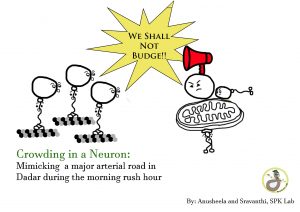
Our work together began at an interdisciplinary meeting on traffic, organised about a decade ago at the Indian Institute of Technology (IIT) Kanpur. The term “traffic” covers a surprising number of contexts, from vehicular traffic to the traffic of vesicle-encapsulated cargo by molecular machines within cells. These machines are molecular motors, driven by ATP hydrolysis.

Theoretical physicists have devised a number of models for such motor-driven cargo transport. Almost all such models avoid the complications of experimental systems, elevating elegance and simplicity over the messiness of the real world. But complexity in biological experiments, given inherent variability and experimental caprice, is the norm, unlike physical measurements where error bars can often be so small as to not be worth even displaying.

The question that seeded our work together was the following: in experiments which tracked cargo motion within specific nerve cells in live C. elegans worms, such cargo inevitably wound up entering regions where other cargo had stalled. Once moving cargo came up against a stationary cargo cluster, it was unclear what happened to them. Sometimes, such clusters appeared to emit more cargo than the numbers that came in. At other times, they seemed to be able to accumulate more than they released.


We now believe that we understand this observation (Sood et al, Traffic, 2018; The Hindu provides a popular take). Our conclusions have been tested in detail in simulations. But to achieve this understanding, theory and experiment first had to play off against each other, with the model suggesting specific measurements and analysis. The experiments acted as a brake, discouraging unanchored theoretical speculation. Theory both drove, and in turn was driven by, the experimental observations. Several other observations and predictions from the simulations led to questions that continue to intrigue us today.

For the physicist, the experience of dealing with the messiness of real biological data coupled with the clumsiness of biological tools (as in, “You mean we can’t just find out what it’s doing in a cluster by looking at it?”) was new. So was experiencing the intuition of the biologist for the many processes that could explain the observations as well as the careful enumeration of different tests that one could do to eliminate or confirm each of them. For the biologist, the idea that one could and should step back to look for over-arching principles that might be general (or even, as physicists like to say, “universal”) outside of a narrow context was novel.

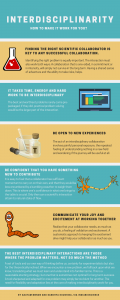
With this background, our first piece of advice: Finding the right scientific collaborator is key to any successful collaboration. Identifying the right problem is equally important. The interaction must also work both ways: A collaboration that is one-sided, in commitment or in intensity, will simply not survive in the long term. Having a shared sense of adventure and the ability to take risks, helps.

Most collaborations across disciplines start in plug-and-play mode, as in “experimental data with specific method meets new way of analysis or alternative method”. They are good routes to easy papers. However, they may never transition into problems with a longer horizon because neither partner needs to step out of their zone of comfort. We will reserve the term “interdisciplinary” largely for those situations where both collaborators accept the need to deviate from established disciplinary paths as well as to deal with the intellectual disruption that results from such a change.

Our second lesson: It takes time, energy and hard work to be interdisciplinary. The best and worthiest problems rarely come pre-packaged; if they did, practical problem solving would be the larger part of the interaction.

The interactions that led to our first paper took years. Much of this time was spent in discussion and arguments, as well as in learning each other’s language. We spent time with each other’s students, post-docs and project assistants. This had positive consequences. The biology students learnt new ways of thinking about data. Students with a physics or a computational background understood the complexities of an actual experiment and the crucial role of experimental skill and perseverance. The collaboration has significantly transformed students in the Koushika lab, who have learnt to pay far more attention to numbers, as opposed to qualitative behaviour, than they did earlier. The more courageous among them have even attempted simple simulations, realising their value in developing the right intuition.

Those on different sides of a collaboration must also realise that there are aspects to the other field that will seem simply incomprehensible on a first encounter. For example, to a theoretical physicist, the idea that very similar proteins with virtually identical functions can have entirely different names in different model systems can be a source of discomfort. To realise that they will have to make some effort to learn these names is disturbing. To the biologist, the physicist’s constant desire to side-step the details and look at the “larger picture” can be a source of frustration as well as not infrequent irritation.


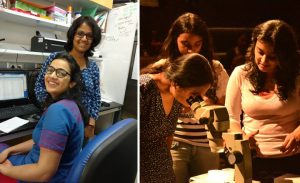
Members of Sandhya Kaushika’s lab at TIFR hard at work at data analysis (left) and science outreach (right). Parul Sood (pictured in both images) took the collaborative study on cargo trafficking in neurons to completion.

Our third piece of advice: Be open to new experiences. The act of an interdisciplinary collaboration involves painful personal exposure, the repeated feeling of understanding nothing in a new field and wondering if the journey will be useful at all. The Nobel prize-winning physicist P.G. de Gennes, a pioneer of cross-disciplinary science, puts it beautifully : “.. every time one switches to a new field, one has to catch up with the rest of the class, to learn all over again from scratch … To change research fields is as traumatic as moving to another country.” The only real way to deal with this trauma is to embrace it head-on.

At a practical level, this might mean forcing yourself to go to scientific meetings where your collaborator might be the only person you know, certainly at the outset, and where most of the proceedings could be entirely opaque to you. Another way to do this is to participate actively in the writing of manuscripts from beginning to end, rather than confining yourself to just those sections which include your contributions.

Some of our most enjoyable moments spent discussing science happened during the writing of our joint papers. We spent time parsing each line, clarifying where a physicist’s wording would simply irritate a reviewer for a biology journal, or where the results of a long and difficult computation, a source of some pride, would have to be pithily summarised in half a line. One of our students said of this writing process: “You both argue about every sentence and inference and nearly everything leads to revisiting the data with a new analysis.”

In difficult times, it is good to remember that the true value of a good collaborator is that they help you find your way around complex literature, sort out elementary confusions, and inject the right note of positivity into your interactions.

Fourth: Be confident that you have something new to contribute. It is easy to feel that a collaborator has sufficient momentum to carry on on their own, and that they would be less encumbered by a bumbling coauthor to weigh them down. This is where one’s confidence in what one brings to the table is crucial. Only then can a scientific interaction attain its natural state of flow.

We were lucky that neither of us felt that this was particularly a problem. Both of us had other things to work on as well, so our own scientific advancement was not tied solely to whether we would achieve something publishable in the short term. Working in the Indian context also meant that we could look beyond the grant cycles that factor into the practice of science in much of the first world. This certainly made our collaboration easier, since we could afford to be open-minded in identifying questions of interest.

Fifth: Communicate your joy and excitement at working together. Realise that your collaborator needs, as much as you do, a feeling of validation and excitement. Again for us, as a consequence of the long periods of discussion that preceded our even understanding what the core problems were that we wanted to address, this came naturally. But for others, in different situations, a more systematic approach to keeping the excitement alive might help your collaborator as much as you.

Sixth and finally: The best interdisciplinary interactions are those where the problem matters, not so much the method. A set of tools and our own way of thinking define us, certainly for experimentalists but also for the theoretically inclined. When we encounter a new problem, we fall back upon what we know, translating what we must learn and understand into familiar terms. This is a reasonable starting strategy, but one that is sometimes not optimal for long-term success. A tool sharpened and adapted for one problem may simply be too blunt for another. The need for flexibility and adaptation lies at the core of making interdisciplinarity work for you.

What should we expect to gain from interdisciplinary interactions? From de Gennes again, “I cannot emphasise enough the importance of … transposition of methods between two apparently unrelated fields of science. What has been learnt in one field can at times help completely solve different problems”. At a subtler level, it is also the value of attempting to answer the sorts of questions that children or total novices could put to you about your field, except that it is your collaborator who might be asking them and perhaps with a specific purpose in mind. As every scientist knows, these are the questions that are often the most difficult to answer, but that also wind up teaching you the most.

For both of us, looking back on close to a decade of interactions, much of which was spent in adjusting to the philosophy, language and practice of another, very different field, we can agree that this was time well-spent.


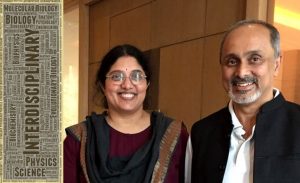
Gautam Menon is a Theoretical physicist who works at The Institute of Mathematical Sciences, Chennai & Homi Bhabha National Institute, Mumbai. Sandhya Koushika is a neurobiologist  associated with Tata Institute of Fundamental Research, Mumbai.

This article was first published in IndiaBioscience. Full text available here.

Viral India: The Zika story

In the last three years, India has faced various viral epidemics in diverse geographical corner. For example, in 2016, Himachal Pradesh reported approximately 15000 cases of Hepatitis-E after an outbreak of jaundice. In May-July of 2018, a Nipah virus outbreak rocked South India where 19 confirmed cases with 17 deaths were reported.  Virologist Prof.G Arun Kumar and his team identified the virus which assure that the spread of Nipah was confined to Kerala. This was the third Nipah outbreak known to occur in India. In the past, India has experienced two Nipah outbreaks in Eastern India (West Bengal: 2001,2007). The major hurdle was the non-availability of vaccine for treating the viral infections. Even the lions in the Gir sanctuary were not spared by the viruses: Canine Distemper Virus (CDV) has killed 23 Asiatic lions since September, in Gujarat’s Gir sanctuary with at least 21 more lions infected.


Now, we are facing an outbreak of Zika virus in Western India (Rajasthan: Jaipur), where so far, 130 positive cases (including 22 pregnant women) have been reported.  The focal point was identified as Jaipur’s Shastrinagar with the first human case reported on 23 September 2018 and virus traces in Aedes aegypti mosquitoes on September 26, 2018.


Responses by the Indian Government

Union Health Minister, Shri. J P Nadda assured the nation, “That everything is under control” and all the possible effective measure had been implemented from the Central Government. A seven member high-level team was constituted in Jaipur to assist state government and a control room was set up at the National Centre for Disease Control (NCDC) to undertake control and containment operations. More than 10,000 families and 168 pregnant women (22 positives for Zika virus) were screened for Zika virus. Control measures like fogging, spraying and treating containers with chemicals was done and 29000 mosquito breeding grounds have been destroyed as a control measure. Mosquito samples were also examined and screened for Zika virus. Bihar has also issued advisory for preventive measures and the family of Zika positive residents of Bihar were monitored to prevent further incidences. Sufficient medicines were stockpiled, viral research and diagnostic laboratories (VRDL) were provided with diagnostic kits. The state government is also ramping up efforts to raise awareness about Zika to restrict the spread of infection.


Cause and Effect

Zika virus was first identified in 1947 in Uganda and remained unknown until a large outbreak in 2007 in Micronesia was reported. It is primarily known to transmit by Aedes aegypti mosquitoes (day biting) in addition to the recently identified sexual route of transmissionZika virus is mostly known to cause mild illness with symptoms like fever, rash, muscle and joint pain and headache which last for 2-7 days. The severe complications associated with Zika virus infection in pregnant women is brain abnormality in the babies in the womb, this defect is known as microcephaly (small heads). Also, a rare neurological disorder i.e. Guillain-Barre Syndrome (GBS), causing paralysis in adults and children, is attributed to Zika infection. Zika virus has no treatment/cure or vaccine. Patients are advised to take rest and drink fluids. If fever persists, common medicine/antiviral can be the option as the symptomatic treatment.


Antiviral Research

Drug repurposing is one of the ways to combat a viral infection which has no antiviral drug or vaccine. So far, three potential drugs have been proposed by screening 6000 approved drugs and clinical trials candidates. Niclosamide (originally for tapeworm treatment) inhibits Zika replication whereas PHA-690509 interferes with gene expression. The third drug Emricasan inhibits programmed cell death and may protect brain cells of developing fetuses against viral damage. Based on trials in mice, scientists suggest that Sofosbuvir (antiviral for HCV) can be used off-label for Zika, as it targets viral DNA and blocks the Zika transmission from the mother to the babyZika virus accompanied with microcephaly and uncommon Guillain-Barre syndrome (GBS), has also raised the quest for vaccine research. Pharmaceutical giants GlaxoSmithKline (GSK), Sanofi and Inovio pharmaceuticals are working hard for the effective DNA-based vaccine for Zika.


Vikram Thakur is a PhD scholar at the Department of Virology, PGIMER, Chandigarh

An open letter to the Indian Scientist

Dear Colleague,

With all the swift changes that we see around us today, it appears that India is at a tipping point. A revolution is underway in the Indian financial sector. But a revolution of this size and scale is not likely to be confined to its native domain; it is likely to spread to other areas… perhaps to Indian science, or yonder to Indian academics in general.

In this context, I wish to present a few reflections, as one Indian scientist to another. The current scenario in Indian science is such that, if you wish to survive and thrive, you can only do so by consenting to be part of Western coteries of science, and be willing to be in a sense subservient to their activity. You imbibe their ways of thought, you echo their views, you accept their unsubstantiated opinions, you repeat their utterances in slightly repainted jargon, you confirm their conclusions in a thousand ways, and, as if that’s not enough, you even entertain them in a wide variety of non-academic methods. Then you can have a life, your career rests securely on the bedrock of western modality.

But if you work in isolation, exploring new avenues, fumbling, groping along, taking great risks, trusting your intuition in search of something else (which is how a true scientist works, we learnt in our early years from the fairy tales of scientists’ lives), be prepared for your doom.

These philosophies, or strategies if you will, of scientific career-building, are reflected year after year in the manner we organise our international conferences and workshops. We invite a shining host of dignitaries from the West, beseech them to stand tall on the dais and pontificate; we invite the struggling, uninformed, purblind hordes of the locals, and order them to stay in the well and slurp in all the knowledge that they can, gratefully, in knelt positions.

Any number of Indian scientists, particularly those active today, would have had this ignoble experience. They turn out a piece of work which they are legitimately proud of. The manuscript is submitted, with hope and justified confidence, to a top journal like Nature or PNAS. It promptly gets rejected for some fragile reason. The descent then begins, like that of Ganga from her heavenly abode, in stages, to this lowly earth. The manuscript gets rejected, in stages, by lesser and lesser journals, until it gets published at a level that is way below the quality of the science that it proudly set out to proclaim.

The misery doesn’t end there. A few years later, a very similar work shows up, from the great Elsewhere, in a top journal and — the juiciest part — they don’t cite the Indian paper.

Therefore, a growing young scientist in India today tries to build her/his career completely by looking westward, by making sure at every step that her/his equation with these western Temples of Learning is just right. By corollary, we don’t look up to or look at — if not look down upon — the work of our Indian colleagues. We rarely follow the scientific work of other Indian colleagues, perhaps because such attention has no practical and material consequence. Thus, we constantly face what is popularly called a “double whammy.” As it is, the Western academics care two hoots about our work and, what’s more, we are also written off by our beloved compatriots.

These difficulties are seriously compounded by the current practices — necessary but increasingly becoming unhealthy — of reducing scientific quality to numbers. These days, when two Indian scientists meet, the most interesting questions asked are not “what are you working on these days?” or “what are the IDEAS with which you are preoccupied of late?” but “where have you published?” and “where are you going this summer?”

You don’t have to read papers anymore to judge science. Thanks to the whole Impact Factor revolution, the task of assessing the quality of scientific work, the depth of a scientific idea, can now be deftly handled by anyone who knows how to add up to the second decimal.

This kind of sidelining of science at a national level is experienced by other Asian nations too. But the way they cope with it seems to be quite different. The Japanese, with their strong sense of nationalism, will lose no opportunity to project the work of a fellow Japanese scientist, over a comparable piece of work from the West. Russians too are eager to substitute, or at least insert, the name of a deserving fellow Russian where a comparable piece from the West is discussed (e.g., not Hopf bifurcation but Andronov-Hopf bifurcation).

This slavish mindset seems to be entrenched among students also. If there is a new line of thought about a research topic that comes from one of us, pitted against something from the Establishment, they comfortably, unhesitatingly choose the Establishment. I had to spend hours in patient discussion with my own students to convince them that there are other, more interesting ways of looking at a problem, leading to more comprehensive solutions. My experience with an undergrad student was memorable: he would refuse to even consider my line of thinking about a topic simply because “this person from Yale and that other person from RIKEN doesn’t think so.”

It is supposed to be our duty and mandate to train the next-gen scientists to judge a piece of work as it is, without the aid of the irrelevant socio-academic tags (impact factors, etc.). They seem to begin their careers with a subconscious conviction that the Indian science is intrinsically inferior and salvation lies elsewhere. The Advaita Vedanta assertion, ‘Brahma satyam, jagan mithyaa [The Brahman alone is the Truth; mundane life is an illusion]’ seems to be echoed here as “Western science is true and glorious, the sole existent; and Indian science? Ah! It’s a myth”.

The somewhat dogmatic mindset has crept beyond the walls of our academic campuses also. How often do we see the local media covering the scientific work of an Indian colleague? I once saw a piece of work on computational neuroscience from a United States university reported in a local Chennai paper. It is a standard piece of work. Many of us in India have more interesting things to say. Why isn’t it talked about as much? I asked. I was told that the media doesn’t like to cover Indian science, as much as it does science from abroad, simply because the readers don’t like to read about it.

Why are we not proud of what we do — of what we are? Why are we often embarrassed (or even sorry) about our work? How come we don’t share and discuss the work we do here, in our country, in India, and talk about it with excitement, energy and self-confidence? Why don’t we lower, just for a moment, our gaze, which is constantly fixed upon the Western stars, and look here, look around, and be surprised by the fresh blossoms of science blooming everywhere?

There have been bright stars — the Boses and Ramans — among us all along, those who worked and shone in the darkest nights. But they are solitary heroes. They rose high over a ground that is barren, in a scientific community that was generally comatose.

But today, if Indian science — alongwith the Indian scientific community at large — is to grow and occupy its rightful place, it can only be done with the powerful propulsion that can come from a genuine spirit of nationalism. (Of course, not a crude, semi-blind nationalism that sacrifices Truth at the altar of Tradition.) That’s how any nation such as U.S., Japan, Germany that climbed to a high place in science has done it. All that it takes is an iota of self-respect, a tiny drop of conscience, a brief moment of self-reflection. If we but redefine ourselves, we may reclaim our rightful place in world Science.

Sincerely,

Yours truly


Prof V Srinivasa Chakravarthy is associated with Department of Biotechnology at IIT Madras.

This article appeared first in thREAD of The Hindu.