From a big fat lie to a delicious sweet one?

Source. Used under CC0.


Book Review of:
Fung, Jason (2018). The Diabetes Code: prevent and reverse type 2 diabetes naturally. Greystone Books (Vancouver/Berkeley).


For anyone interested in diabetes, whether a physician, patient, diabetes researcher, science historian or general reader, I will recommend reading this book, but not believing in it totally. For, the book is very well written in simple and non-technical language that is within reach of a general reader, the arguments are made clear and convincing by simple and apt analogies and a great and attractive promise is offered, that of reversing type 2 diabetes. The text book theory of type 2 diabetes is with us for over four decades now and research in the meanwhile has kept on challenging it every now and then. But, by and large, the diabetes community has been playing ostrich and has kept on ignoring any inconvenient evidence.


Dr Fung does a marvelous job of putting the history together and exposing the flaws and paradoxes in the mainstream classical theory of type 2 diabetes. All his criticisms of the current beliefs are very well articulated and convincing. He makes it clear that the energy balance view is of little use to control obesity, there is no convincing mechanism linking obesity to insulin resistance, high insulin levels precede obesity and insulin resistance, insulin is not the answer to type 2 diabetes, increased blood sugar is only a symptom and not the central cause of all complications and therefore clinical trials aiming at sugar normalization have failed in getting rid of diabetic complications. All these evidences falsifying the textbook theory of type 2 diabetes exist in literature for quite a long time now, but attempts to articulate it to convincingly refute the theory are still inadequate. Dr Fung’s contribution towards this goal is certainly valuable.


However, one reason why the mainstream has not given up the classical theory is that a stronger and more convincing alternative theory is not yet agreed upon. The Diabetes Code tries to do this, but alas, with an almost equally weak case. The hypothesis that the book proposes has been around for quite some time and being aggressively promoted by many researchers and authors on various platforms. As the author rightly says, all great stories need a villain. For over thirty years fat was the villain, now sugar is trying to replace fat in this important social role. With fat in this role, a very nice-looking logical story was created on how fat drives type 2 diabetes. The only problem was that this story was not supported by evidence. Now an equally attractive story is created with sugar, and it is time to examine how well it is supported by evidence. Before we look for evidence, the new story already has many flaws and unanswered questions, some of which are addressed in the book with some “explainawaytions”, others are smartly avoided. For example it is not only sugar that induces insulin response, many amino acids also induce it. This well-known phenomenon needs to be incorporated in the theory too. In the entire field of obesity and diabetes, it has been a habit to cherry-pick convenient evidence and the author is faithful to this tradition too. For example, the author asserts that fat in muscle tissue leads to muscle insulin resistance. But data on endurance athletes show that they have high levels of intramuscular fat and still are insulin sensitive. This is not accounted for by the theory. Similarly, explanations are weak on why only refined sugars (and not all carbohydrates) lead to high insulin response, why the principle of ‘high exposure creates resistance’ does not apply to the ill-effects of insulin, or if insulin is the main culprit then why the complications of diabetes still progress when in advanced stages of type 2 diabetes the insulin levels come down substantially. There is increasing evidence that the central nervous system plays a role in the regulation of energy as well as that of insulin response, but the book pretends as if the central nervous system does not exist.


Now about evidence. As I was enjoying reading the book, I received news alerts about a debate on whether sugar induced insulin is the driver of diabetes, published in the journal JAMA Internal Medicine. There were enthusiastic promoters of the story in the debate but an equal number of skeptics who did not find the current evidence convincing enough. It is fair to say that take the “sugar-villain” hypothesis seriously and research more on it. But instead the author paints it as an established truth and guaranteed formula to cure type 2 diabetes. By the way, fat and sugar are not the only rival villains, various other components of diet such as red meat, acidic foods, refined foods; eating habits such as frequent eating, twice a day or once a day eating, skipping or not skipping breakfast, are all being blamed by different champions and each one of them claim to have evidence.


There was a similar episode in the history of medicine about a hundred years ago. When vitamin deficiencies and their effects were not well known, two diseases, namely beriberi and pellagra, were being investigated. Since germ theory of disease was well established by then and was very successful, a large number of groups kept on isolating different bacteria and claimed them to be the causal agents. This mad race continued till the entirely new paradigm of vitamin deficiency disorders emerged. Today we see a similar race in the field of diabetes. Diet is an accepted paradigm and various components of diets are being blamed by different groups, some have a stronger voice than others, but all are equally weak in evidence. We will have to wait and see whether history repeats and an entirely new paradigm in medicine emerges.


Milind Watve is a Professor at Indian Institute of Science Education and Research Pune and is the author of the book “Doves, Diplomats and diabetes: a Darwinian interpretation of type 2 diabetes and related disorders”.

Blinded By Its Cow-Urine Craze, the Government Isn't Fostering Good Research Practices

This article first appeared here in The Wire 


On July 3, researchers at Junagadh Agricultural University (JAU), Gujarat, claimed to have elucidated the ability of cow urine to kill cancer cells. Their study does not exhibit the use of a proper methodology nor does it appear to have passed peer review (in a non-predatory journal). According to one unqualified news report, the researchers have also said that following potentially successful clinical trials in “a rat”, they will begin manufacturing oral pills for human consumption. More than causing alarm, such pronouncements have turned distressing.


The Government of India, led by Shripad Naik, the minister of state for AYUSH, has been promoting traditional medicines with wilful disregard for the inability of researchers it has sponsored to show how, or if at all, the medicines actually work, threatening the lives of millions of people suffering from cancer in the country (by trying to feed them a cure that likely won’t work) and by diverting perceptibly finite resources away from proven treatments that could use the support.


Much the AYUSH ministry’s thrust has been through efforts to promote the use of cow urine as a form of medication. According to a PTI report on November 25, Naik said in a statement that “the Council of Scientific and Industrial Research (CSIR) through its constituent laboratories has conducted research studies in collaboration with Go-Vigyan Anusandhan Kendra, Nagpur, on cow urine distillate for its antioxidant and bio-enhancing properties on anti-infective and anti-cancer agents and nutrients”. This raises many concerns, and though some may seem downright funny, they do present some awful consequences. Here are six.


1. No transparency – Research into phytotherapy (the study of extracts of natural origin) and ayurveda, apart from other forms of traditional and non-allopathic medicine, needs to be encouraged. This is because a robust defence or dismissal of various traditional fomulations’ efficacies is needed to differentiate between legitimate and quack medicines peddled among the people, especially in rural areas. However, the Ministry of AYUSH, despite its ostensible support for these forms of medicine, has made little effort to publish research it funds in peer-reviewed journals, put up its findings in the public domain or submit to public peer-review/data-validation. It hasn’t mandated any healthy practices either, leading to an abundance of ‘studies’ with little or no merit.


2. Patents instead of papers – The Ministry of AYUSH’s announcements in the media are often accompanied by claims that so-so patents have been received (as well as, for some reason, backing from NASA). While patents signify uniqueness, they don’t mean the patented object is useful to the human body. Such a thing has to be proven separately. Moreover, some claims don’t hold up when followed up (like so many things in the post-truth era). In the case of the purportedly anti-diabetic drug BGR-34, developed by CSIR and commercialised by the Ministry of AYUSH earlier this year, no patents were found to have been granted for the formulation even though officials had claimed that they had been. If such utterances are kept up, they will only make future claims – howsoever legitimate – seem less reliable.


3. Loss of resources – In October 2015, the Government of India halved the CSIRs’ budget and asked the various centres to make up the remaining half by themselves through product realisations. They were also asked to redirect their focus towards social-sector technologies (including research on cow urine) and submit reports of their ‘progress’ every month. This move effectively amounted to a funding cut of about Rs 2,000 crore. And together with the first two issues, the cut indicates what has really changed since mid-2015: Robust and reliable research in the country has lost access to many of the CSIR’s 38 centres, their infrastructure and their research; organisations have lost access to Rs 2,000 crore in research funds; and the research the CSIR has devoted itself to since has not been producing consistently reliable results.


4. Research protocols – Despite being a priority ministry* for the government, the Ministry of AYUSH has displayed an apparent disdain for the established methods of scientific investigation. (In the Union Budget announced in March 2016, the Ministry of Ayush received a 16.6% hike – slightly below the 17% hike received by the Department of Science & Technology but well above the 12% hike received by the Department of Biotechnology.) In the case of BGR-34, officials claimed phase III clinical trials had been conducted with 48 patients at the Agarwal Hospital OPD in New Delhi. However, according to Prashant Reddy, a Delhi-based lawyer, the Drugs and Cosmetics Act requires phase III trials for allopathic medications to be conducted with at least 500 people in multiple centres. So, the researchers’ claim that their tests abided by allopathic standards was simply not true.


In another example, researchers from the JAU announced in July 2016 that they had found 3-10 mg of gold in cow urine. However, they couldn’t explain how it got there nor were their results subjected to peer-review. In a third case, the Uttarakhand government announced in the same month that it would spend Rs 25 crore to look for the mythical plant sanjeevani on the basis of its unproven pharmacological versatility (although the Ministry of AYUSH hasn’t yet responded to the proposal). In fact, pre-dating all of these claims is a strange promise made by the BJP campaign in 2013, ahead of the Lok Sabha elections the following year. It was to promote ‘ayurgenomics’ – the use of ayurvedic principles to improve genomic studies. Despite the idea having once been backed by an S.S. Bhatnagar Prize-recipient, it was called out for some grave conceptual problems (one is that it is pegged to astrology).


5. An unspecified substance – Naik’s statement (that PTI reported) suggests the existence of a substance distilled out of cow urine that can enhance the activity of anti-bacterial agents. There are at least three US patents associated with this description: 64100596896907 and 7235262. All three identify the substance only as ‘kamadhenu arka’. All of them also contain the following paragraph: “The novelty of the invention lies in the fact revealed through precise experimentation that the enhancement action and its effectiveness is achievable only in the range of concentration which is literally in nano to micro molar levels. And when a higher concentration/dosage is used in the formulation or combinations the activity(ies) do not appear. That should be the reason for non-detection such a valuable potential of cow urine.” (sic)


There are many issues with this description. First: no records of these ‘precise experiments’ could be found. Second: the substance’s prescribed dosage – of “literally in nano to micro molar levels” – is incredibly low, difficult to control and in fact rings bells about homeopathy. Third: The substance’s chemical composition is never specified. Fourth: A description in the patent document reads, “Cow’s urine can be considered as the most effective animal origin substance/secretion with the capacity of general health improvement” – a sign of confirmation bias – “but it does need substantiation through scientific experimentation”. Fifth: Another part of the document reads, “Further the urine distillate from buffalo, camel, deer provides similar activity of bioavailability.” What then is so unique about the cow? One could go on.


6. Perilous prescription – The patents in question also contain two lines that together lead to a dangerous suggestion. The first is that the cow-urine distillate can enhance the activity of anti-cancer and anti-TB agents: “… the cow urine distillate is used as bioavailability facilitator for anticancer therapy directly or in combination with anticancer molecules” and similarly in “TB therapy including multi drug resistant [MDR] tuberculosis in combination with isoniazid and other anti-tubercular agents”. The second is that the use of the distillate to enhance the activity of anti-microbial agents could bring down the dosage of the latter that’s necessary to be effective: “… the selection pressure will be counter-balanced simultaneously reducing the dosage of antibiotics or drugs for minimising the side effects, which has also high commercial importance” (emphasis added). As a result, the patent (of all things!) is suggesting that cancer and MDR-TB patients consuming the distillate along with their medication can reduce the dosage of their medication and still reap positive results. This a perilous thought that could imperil many lives, endanger India’s already painful efforts to combat the rise of drug-resistant TB and also invite accusations of wilful negligence.


Why reducing antibiotics in farm animals isn't as easy as it seems


File 20180606 137306 yewjh8.jpg?ixlib=rb 1.1

Cattle that are grass-fed, antibiotic- and growth hormone-free gather at a farm in Oregon in 2015. There’s a debate over whether antibiotic use in livestock makes germs more resistant to the drugs, and results in infections being passed on to humans who consume the meat. (AP Photo/Don Ryan)


The use of antibiotics in meat production is a rapidly emerging issue in food discourse. The conversation around meat, eggs and dairy has focused on animal welfare over much of the past five years, but it’s now moving to other elements of production.


Whereas animal welfare is complex, it pales relative to the complexity of antibiotic use. There is a real risk that we may be moving towards a less-than-ideal result for animals, producers and consumers due to poor understanding, over-simplistic messaging and a rush for competitive advantage. But it’s important that we get it right.


There is broad, scientific consensus that antibiotic use in animal agriculture is increasing the risk of the development of resistant bacteria. It’s less clear what, if any, role this plays in human health.


Antibiotics continue to play a critical role in keeping animals healthy. They are used for both the prevention and treatment of diseases in animals. Historically, they have been used to improve performance by reducing the challenge of subclinical disease — diseases without visible symptoms. And Canada and the United States have both introduced new rules that preclude the use of antibiotics for livestock growth going forward.


Antibiotic use in animal agriculture is complex and plays out in the overlapping domains of economics, animal health and welfare. It also impacts the efficacy of antibiotics in human medicine in the face of increasing resistance in humans.


A distrust of science

Balancing these explicit trade-offs will be the challenge as we move towards reducing antibiotic use in food animal production.


What’s more, the discussion is taking place in the context of poor understanding among consumers — of how food is produced, let alone the mechanism of resistance development — and amid an increasing skepticism about science within the general population.


There are also differences between antibiotic products and how they are administered.


The primary focus today is reducing the use of antibiotics that are important to human medicine. There is also some pressure to move away from administering antibiotics in feed to large groups of animals.


There are, however, instances in which bulk-feeding antibiotics to livestock or poultry is the best approach to treating an outbreak in a group, instances where individual treatment is impractical.


More important is reducing sub-therapeutic use in feed — instances where antibiotics are fed to animals that aren’t sick, almost as a preventative medicine to reduce the sub-clinical disease risk and to spur growth in the animals.


What is the right amount?

There is again broad consensus that reductions in antibiotic use need to happen.


There are also impending regulatory changes that will reduce use. Some companies, such as A&W and Maple Leaf, have committed to “raised without antibiotics (RWA)” protocols for at least some of their products.


This may not always be possible, however, and animals that require treatment are removed from the RWA value chain, but are still sold commercially.

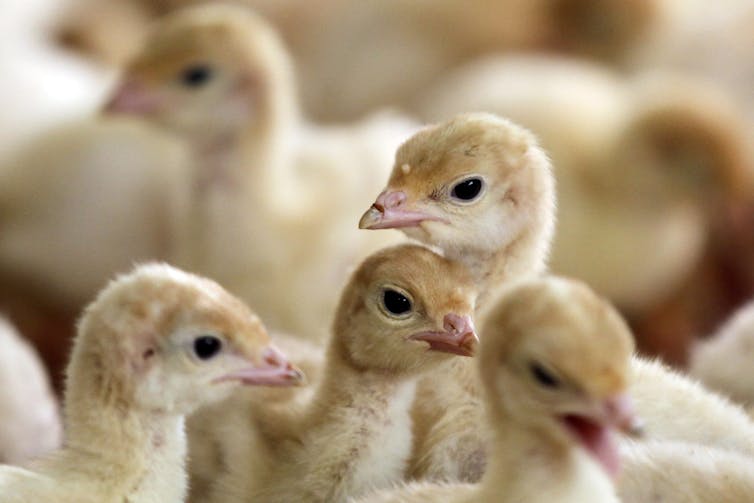
Chicks raised without antibiotics on a Pennsylvania farm are seen in this April 2012 photo. (AP Photo/Matt Rourke)

Universally raising animals without antibiotics, however, is likely not possible, particularly given current technology and practices. There may be technologies and management practices that emerge to contribute to the reduced need for antibiotics. But responsible stewardship of animals may also be in jeopardy if animal health and welfare are sacrificed by delaying or withholding treatment.


Reducing antibiotic use will also likely raise costs for producers and with them, prices for consumers.
 

A hybrid approach

Finally, it’s important to determine if there will be a single approach to reduction (i.e., a universal standard) or value chain-specific changes.


A single approach has some merit — to ensure we achieve the reductions necessary to reduce the risk of antibiotic resistance. There will also likely be emerging technologies and management practices that allow for the replacement of antibiotics in some production systems.


The reality is that disagreements over science, competitive differentiation and evolving consumer preferences will likely mean a hybrid approach. Such an approach ensures that we meet minimum standards while also meeting the different needs of the fragmented market.


The ConversationRegardless of the approach, antibiotic use will be an important factor in the food conversation in the years to come.


Michael von Massow, Associate Professor, Food Economics, University of Guelph and Alfons Weersink, Professor, Dept of Food, Agricultural and Resource Economics, University of Guelph


Disclosure statement:
Michael von Massow receives funding from the Ontario Ministry of Agriculture and Food to research issues in food waste and nutrition labeling for restaurant menus. He has received funding from the Walmart Foundation to explore food waste at the household level. He has received money from the Tim Hortons Sustainable Food Management Fund to explore consumer attitudes to antibiotic use and animal welfare. He has also received funding from Longo’s Brothers Markets in support of research into consumer behaviour in food retail.

Alfons Weersink receives funding from Food from Thought, sponsored through the Canada First Research Excellence Fund, and from the Ontario Ministry of Agriculture, Food and Rural Affairs (OMAFRA).


This article was originally published on The Conversation. Read the original article.

Nature's traffic engineers have come up with many simple but effective solutions


File 20180524 90281 mi9czk.jpg?ixlib=rb 1.1

Ant colonies direct traffic flows of millions of individuals along the best routes – army ants even manage inbound and outbound lanes – but how? Geoff Gallice/Wikimedia, CC BY


As more and more people move to cities, the experience of being stuck in impenetrable gridlock becomes an increasingly common part of the human experience. But managing traffic isn’t just a human problem. From the tunnels built by termites to the enormous underground networks built by fungi, life forms have evolved incredible ways of solving the challenge of moving large numbers of individuals and resources from one place to another.


But how do natural systems – which lack engineers or in some cases even brains – build and manage their transportation networks?

Building a transport network

Perhaps the most familiar animal transport systems are the trail networks of ants. As ants walk through their environment they leave behind tiny droplets of an attractive chemical called a pheromone. Other ants are attracted to the chemical bouquet and as they follow it they add to the trail by leaving their own droplets of pheromone. Like Hansel and Gretel leaving a trail of breadcrumbs, ants use their trails to find their way back home.


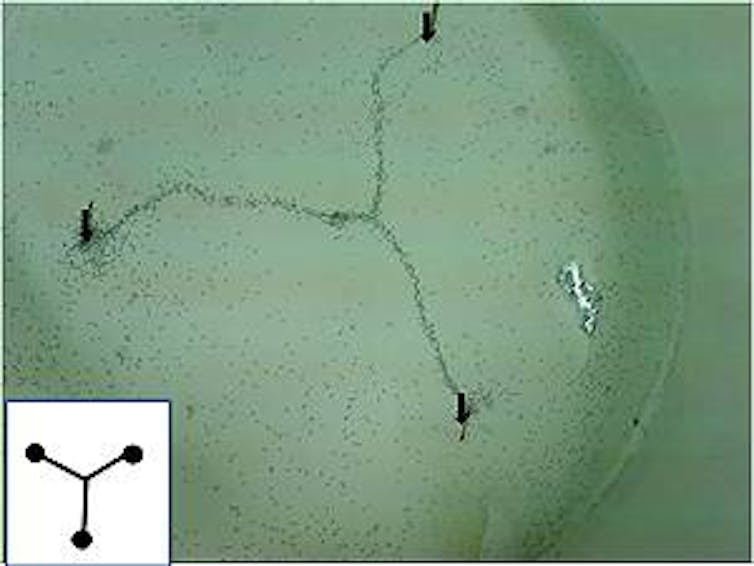
The Argentine ant (Linepithema humile) builds chemical trail networks that connect their nests using the shortest possible path. Connecting points via the shortest path saves on construction costs by using less material and requiring less effort.

Argentine ant trails connect nests using an approximation of the shortest path. The grey lines are ant trails visualised by overlaying several photos of the trail system. The inset shows the actual shortest path solution. Tanya Latty- supplied


Yet calculating the shortest path between a set of points is a very difficult task. So how do ants, which have brains smaller than a pinhead, figure out the solution?


The answer is elegant in its simplicity. Short, direct paths are faster to traverse, and so more pheromone gets deposited by the higher density of ants. As ants are more likely to follow stronger pheromone trails, shorter, more direct trails attract more ants than do long meandering trails.


Meanwhile, fewer and fewer ants travel along the long paths, as they are attracted away by the stronger, shorter path. Eventually the longer paths disappear altogether due to evaporation, leaving only the direct routes. This simple mechanism allows small-brained Argentine ants to solve a difficult problem.

Australian meat ants (Iridomyrmex purpureus) take trail-building to the next level. Meat ants diligently cut away all vegetation from their trails, creating a smooth path. Unlike Argentine ants, meat ants do not connect their nests using the shortest possible route. Instead they build a network that includes extra “redundant” links.

Meat ants clear the grass from their trails and nest. Nathan Brown, Author provided

 
This is less of an issue for Argentine ants, which can rapidly repair any damage to their trail system by depositing more pheromone droplets. For meat ants, however, damage to the system takes more time to fix. So rather than building a cheap but fragile network, meat ants build networks whose structure neatly balances the competing demands of cost and robustness.


Walking in lanes

In most human road networks, traffic flows are organised by dividing traffic into lanes where all the cars travel in the same direction. The army ant (Eciton burchellii) also uses lanes – two outer ones for outbound traffic, and one inner lane for nest-bound traffic.

But how do the army ants organise this? Lanes form because ants heading to the nest often carry heavy loads and so tend not to turn away during head-on collisions. Ants leaving the nest tend to veer away from their heavily laden sisters and so end up in the outer lanes.

Again, a simple set of behavioural rules allows ants to ensure they have a fast, efficient transport system.


Pothole pluggers

Potholes are an annoying and jarring part of driving that can slow traffic to a crawl. So when workers of the army ant (Eciton burchellii) encounter uneven surfaces, they take one for the team and plug it with their living bodies. Workers even match their size to the hole that needs filling.

Teams of ants cooperate to fill larger holes. Ants will even form bridges to span larger gaps. They adjust the width, length and position of the bridge to accommodate changes in traffic.

The result of these hardworking ants is a smooth, fast-flowing transport system that works even over the bumpiest terrain.


Humongous fungus

It’s not just insects that build transport networks. Brainless organisms such as fungi and slime moulds are also master transportation designers.

Fungi build some of the biggest biological transportation systems on Earth. One giant network of honey fungus (Armillaria solidipes) spanned 9.6km. The network is made up of tiny tubules called mycelia, which distribute nutrients around the fungi’s body.

The honey fungus is connected by vast underground transportation networks, spanning many kilometres. Armand Robichaud/Flickr, CC BY-NC


Slime moulds – which are not fungi but giant single-celled amoebas – use a network of veins to connect food sources to one another.


In a highly creative experiment, researchers used tiny bits of food to make a map of the Tokyo metro system, with the food representing stations. Amazingly, the slime mould quickly connected all the points in a pattern that closely matched the actual Tokyo metro system. It seems slime moulds and engineers use the same rules when constructing transport networks – yet the slime mould does it without the aid of computers, maps or even a brain!

Slime mould form a map of the Tokyo railway system.


Nature has found many different solutions to the universal problem of building and managing a transport system. By studying biological systems, perhaps we can pick up a few tips for improving our own systems.


The ConversationYou can find other articles in the series here.

Tanya Latty is a Senior lecturer at University of Sydney

This article was originally published on The Conversation. Read the original article.

Lateral Entry of Academics into Government Administration: An opportunity for India

In a recent article in the Indian Express, Milind Sohoni (from IIT-Bombay) makes several points about the structure of the Indian Administrative Services (IAS) as it stands.  Specifically, while calling for a “drastic change in the structure of the department and the roles and responsibilities of IAS officers”, he discusses the possibilities offered by the recent move of the government to induct ten “talented” people at the Joint Secretary level.  Prof. Sohoni moots the idea of bringing in more such “outsiders” into the administration at a junior level, at the level of a Deputy Secretary.  He draws on his experiences interacting with the state Water Supply and Sanitation department to outline what he sees as the shortcomings of the current administrative system and (guardedly) applauds these new measures to bring in change.


Without specifically getting into the pros and cons of the current administrative system, I’d like to expand on Prof. Sohoni’s theme.  Are there talented and interested scientists who would consider a deputation to a government ministry (here, I define a scientist as someone with a PhD in science, mathematics or engineering)?  What would be the benefits of such an arrangement for the system?  There is already a tradition that Secretaries in science departments, such as DST, DBT and CSIR are not IAS officers – rather, these are selected from the pool of experienced researchers in the country.  These are positions of significant responsibility in the Central government and are very few in number.  These are sufficiently prestigious and present sufficiently challenging opportunities that they are attractive to the best scientists.  However, as Prof. Sohoni points out, there are no such lateral appointments at junior levels and none in the local government (viz. state or city administration).  He suggests that several departments in local and central government would benefit from the creation of an Analysis and Research section that could be staffed by scientists on deputation.  Clearly, there are significant benefits to administration (in local and central government) being informed by the domain expertise brought in by researchers with specific experience.  I would argue that there are even more important intangible benefits from such an arrangement.   In the first instance, it creates bridges between local/central administration and domain experts.  There are probably already mechanisms in government to set up consulting arrangements with experts.  However, these tend to be typically project based short term assignments on very specific topics.  They are limited to a relatively small number of senior experts who are willing to engage with administration on such short term projects.  However, these do not embed researchers in administration for any reasonable length of time.  Deputation for, say, a 2 year period might allow for more meaningful contributions and allow strong personal ties to be built between full-time administrators and these experts.  Secondly, this arrangement is likely to be help scientists better appreciate the practical issues faced by administrators and help them understand live problems of immediate interest to government.  A keener appreciation of such issues will inform teaching (when such a scientist returns from deputation to a university) and research (in terms of the choice of topics or direction of research).  Finally, bringing in a larger pool of junior researchers will create a bigger pool of experts that will be available and can be tapped into by government or administration at a later stage in their careers.  Therefore, I anticipate that there are many more advantages to schemes that allow government to tap into the strengths of the scientific community.


The other issue that is worth considering is whether we have sufficient numbers and depth in the scientific community in the country to implement such a programme, for example, to staff the Analysis and Research section that Prof. Sohoni advocates.  Consider an academic researcher who is a faculty at a university.  For convenience of argument, let us consider early career, mid career and senior faculty (Assistant, Associate and Full Professors, respectively).  Also, let us consider that government should only consider the most talented in this cohort for such assignments.  These are likely to be scientists trained at the best institutions, employed at leading research universities and laboratories and involved in demanding research programmes.  A full time deputation with government might help in developing perspective in the long term, but might be viewed as an unaffordable distraction for ambitious assistant professors seeking to establish themselves as independent researchers.  I’ve seen several established associate and senior professors with large research groups who are unable to take the time out to go on sabbatical.  Therefore, the continuity required to run a research group might preclude a large fraction of active scientists from taking up such deputations with a full time commitment and that might require relocation.  This is not to say that there isn’t a role for these career scientists.  Perhaps, there is the possibility of designing roles with a strategic function that can be fulfilled by a think tank of long term consultants, viz. career scientists who commit two days a month to meet with career administrators over a period of several years, as advisors to the Analysis and Research section.


Who, then, will comprise the Analysis and Research sections?  One possibility to consider is to provide for internships for fresh PhDs to serve in this role.  Would the Science and Engineering Academies consider creating prestigious internships by inviting applications and, fund them at the same level as, say, an Assistant Professor?  Involving the Academies would give credibility and prestige to these internships and they can be selected transparently through a screening process (at the Academies) followed by an interview (with the panel drawn from eminent scientists and senior administrators).  These early career scientists would be able to contribute their expertise and, in turn, will gain extremely valuable experience and insight that will stand them in good stead when they move into a regular job.  This will also help develop bridges between the administration and future leaders in the scientific community.   I’ve seen an example of such an arrangement when I ran into two talented young professionals in the War Room of the city municipal administration. These two interns had committed to work with the municipal corporation for an extended period of time and reported directly to the Commissioner.  They obtained and analysed data, and made research based recommendations that helped formulate policy interventions.  These researchers might not end up permanently in government – however, when they depart, local administration would have benefitted from interacting with them and they would have received practical lessons on how government works.  And, they would have made connections with career administrators that would last beyond their tenure.  Perhaps it is an appropriate time for the Academies to consider funding such internships.


Guruswamy Kumaraswamy is a scientist at the CSIR-National Chemical laboratory, Pune.

Why is India not producing Nobel Laureates?

This article originally appeared here on LinkedIn.


Author’s prefatory remarks:

These jottings were put down as a way to engage with members of the civic society on a question which laypersons often ask us as Indian scientists. While as scientists we are all aware that Nobel prizes and such are possibly crude measures of the overall scientific performance of a nation, the question is nevertheless something we cannot shirk from addressing, especially since it is the Indian public which is largely supporting our science. Thus we need to view the question as one of why too many fundamental breakthroughs aren’t coming from Indian science. Nobel prizes and such are placeholders for this deeper question. My engagement with this question in this article is a personal one based on my experiences and is not to be viewed as any kind of analytic, objective study of the issue – far from it. It is born out of my involvement with the International Centre for Theoretical Sciences (ICTS-TIFR) in the last three years and what I see as one important ingredient needed for our science to operate on a different plane.


Main article

In the decade that I spent at some of the best research centres in the US I kept trying to puzzle out “Why can’t we have institutions like this in India?”. While working on my PhD at Princeton University with one of the world’s eminent theoretical physicists (and future Nobel Laureate), David Gross, I could see and participate first hand in the creative process of science. Through the years afterwards, at Harvard and later at the Institute for Advanced Study at Princeton, I felt I had gained some understanding of what made these places tick. I returned to India to be a part of the vibrant string theory effort here – a frontier area of research where Indian scientists have been making groundbreaking contributions. It has been intellectually and emotionally fulfilling in these years to work from India and contribute to the cutting edge. However, the Indian string community’s disproportionate contribution on the world stage is more an exception than the rule. The question of how one could create a broad scientific atmosphere of high level excellence, in India, has remained on my mind.


In the decades since Independence, India has, to its immense credit, assembled a trained body of scientists and built institutions for advanced research. This has enabled the Indian scientific community to contribute to the progress in science and technology at a global level. However, it is now high time to examine how we can build on these solid foundations and take Indian science to a higher level. How can we have Indian science be in the driving seat, worldwide, of, at least, a handful of frontier disciplines; how can India be the home to creative breakthroughs that alter the scientific landscape; how can we nurture a Nobel LaureateFields medalist, or Turing awardee? How do we prepare the ground to bring about such a shift? What prevents us from making this happen?


There are certainly barriers to overcome. An obvious one is scale, in terms of resources and, more importantly, the low concentration of high quality researchers in any given research area. There are only a couple of thousand researchers across the country, across all disciplines, whose work has international impact. Distances across the country mean that even these few numbers are often thinly spread. Even the few scientific hubs like Bengaluru and Pune will be hard put to compete with places like Boston or the Bay Area. Our research centres are also often cutoff from the undergraduates who will go onto to become future scientists; as well as from industries which could be a source of problems and ideas. Further, administrative structures are of a governmental nature and often dissipate the energy of driven scientists. Institutional compartmentalisation and lack of opportunities to interact mean that we do not have much of the “transdisciplinary science” that is needed to attack complex questions. For instance, the absence of the biological sciences at the IITs for a very long time has led to a complete disconnect between engineering and the life sciences, which is a glaring gap, as we now belatedly recognise.


I think it is time to articulate a grand vision for Indian science. But at the same time, we need to be cognizant of the barriers. Our approach has to strike a fine balance, avoiding the twin pitfalls of a) dreams unanchored by reality or b) of being too mired in the present and its challenges that one loses sight of bigger objectives. We need to find the right vehicle that can carry the vision ahead without getting derailed.


Something I had observed in my years in the US was the absolutely critical role played in the scientific ecosystem by certain nodal centres. These centres for advanced research are smaller in scale than conventional universities and have a complementary function. Examples include the Institute for Advanced Study (IAS) at Princeton, the Kavli Institute for Theoretical Physics (KITP) at Santa Barbara, the Perimeter Institute in Waterloo, the Simons Centres at Berkeley (for computation) and Stony Brook (for geometry and physics). They have been the home to some of the most influential thinkers of our era – Nobel Laureates, Fields medalists and others, starting with Einstein at the IAS, Princeton. A characteristic feature of these centres is that they bring the best scientists together to collaborate and work on frontier questions in the basic sciences through specially curated and, often, interdisciplinary programs, lasting from a few weeks to a few months.


Why is this important? The fuel that drives cutting edge science is human inventiveness: ideas and discoveries which reshape the scientific landscape are ones which a) penetrate deep into nature’s secrets (such as those of quantum mechanics or genetics) b) conceptually transform the way we view the world (such as through the computational lens) c) provide us the theoretical tools needed to analyse complex systems and discern hidden patterns (which advanced mathematics does). Such ideas can only arise in an intellectually stimulating environment. This requires scientists from a variety of institutions and scientific backgrounds to come together and spend extended periods in face-to-face interaction, achieving out-of-scale enhancements in productivity as a result. This model of visitor driven theory centres have proven highly successful as evidenced by having been replicated in a number of countries in Europe, Japan and China (see here).


At these leading nodal institutes, specially curated programs enable collaboration across standard disciplines. Thus, a program on machine learning can bring together mathematicians, computer scientists, physicists and neuroscientists. These are communities that normally do not have a chance to interact much, let alone collaborate. This is the kind of multiplier effect that we need in Indian science.


Additionally in the Indian context, such centres can play the role of exposing the scientific community to emerging topics of research across international boundaries. It builds capability within the country in these topics, particularly amongst grad students and young researchers. This is crucial given the geographic separation of our institutions from the leading ones elsewhere in the world. By providing the right infrastructure and support, we can attract the best scientists of the world to spend substantial time in India collaborating with Indian researchers. In particular, such centres can also be a venue for the large Indian scientific diaspora to meaningfully engage in the long term with Indian science.


Establishing top notch nodal centres along the above lines will have a cascading effect. I believe that introducing this missing ingredient in the Indian scientific ecosystem can be the key to overcoming the barriers to excellence and having our own home-grown Nobel Laureates. In the second post on this topic I will elaborate on how the newly established International Centre for Theoretical Sciences (ICTS-TIFR) in Bengaluru is all set to play this catalytic role of a nodal centre in our scientific community and realise the potential of Indian science.


Rajesh Gopakumar is Centre Director, International Centre for Theoretical Sciences (ICTS-TIFR), Bengaluru.

Redefining ‘impact’ so research can help real people right away, even before becoming a journal article


File 20180503 182160 1osxwoj.jpg?ixlib=rb 1.1

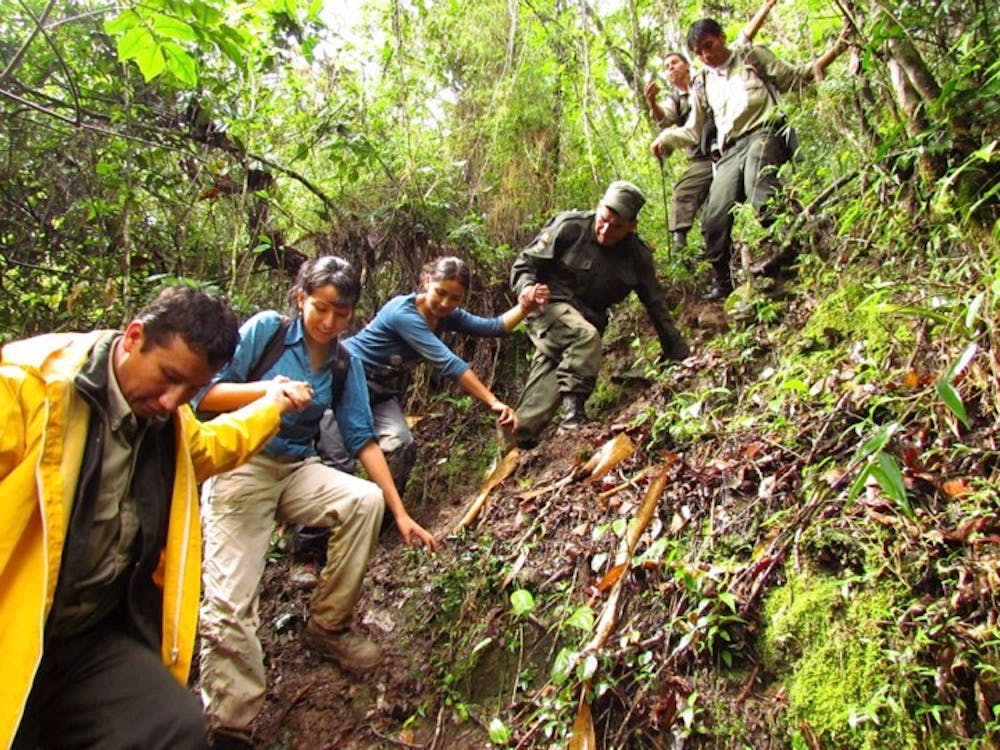
Park guards view maps and photos of high-altitude glaciers – information that can be shared with local communities dealing with changing water levels. Anne Toomey, CC BY-ND


Scientists are increasingly expected to produce research with impact that goes beyond the confines of academia. When funding organizations such as the National Science Foundation consider grants to researchers, they ask about “broader impacts.” They want to support science that directly contributes to the “achievement of specific, desired societal outcomes.” It’s not enough for researchers to call it a day, after they publish their results in journal articles read by a handful of colleagues and few, if any, people outside the ivory tower.

Perhaps nowhere is impact of greater importance than in my own fields of ecology and conservation science. Researchers often conduct this work with the explicit goal of contributing to the restoration and long-term survival of the species or ecosystem in question. For instance, research on an endangered plant can help to address the threats facing it.

But scientific impact is a very tricky concept. Science is a process of inquiry; it’s often impossible to know what the outcomes will be at the start. Researchers are asked to imagine potential impacts of their work. And people who live and work in the places where the research is conducted may have different ideas about what impact means.

In collaboration with several Bolivian colleagues, I studied perceptions of research and its impact in a highly biodiverse area in the Bolivian Amazon. We found that researchers – both foreign-based and Bolivian – and people living and working in the area had different hopes and expectations about what ecological research could help them accomplish.

Surveying the researchers

My colleagues and I focused on research conducted in Bolivia’s Madidi National Park and Natural Area for Integrated Management.

Due to its impressive size (approximately 19,000 square kilometers) and diversity of species – including endangered mammals such as the spectacled bear and the giant otter – Madidi attracts large numbers of ecologists and conservation scientists from around the world. The park is also notable for its cultural diversity. Four indigenous territories overlap Madidi, and there are 31 communities located within its boundaries.

Between 2012 and 2015, we carried out interviews and workshops with people living and working in the region, including park guards, indigenous community members and other researchers. We also surveyed scientists who had worked in the area during the previous 10 years. Our goal was to better understand whether they considered their research to have implications for conservation and ecological management, and how and with whom they shared the results of their work.

Eighty-three percent of researchers queried told us their work had implications for management at community, regional and national levels rather than at the international level. For example, knowing the approximate populations of local primate species can be important for communities who rely on the animals for food and ecotourism.


But the scale of relevance didn’t necessarily dictate how researchers actually disseminated the results of their work. Rather, we found that the strongest predictor of how and with whom a researcher shared their work was whether they were based at a foreign or national institution. Foreign-based researchers had extremely low levels of local, regional or even national dissemination. However, they were more likely than national researchers to publish their findings in the international literature.


Celín Quenevo and other leaders of the Takana indigenous nation raised money in the 1990s to translate a 1950s book written about the Takana people by a German anthropologist into Spanish. Anne Toomey, CC BY-ND

Ongoing scientific colonialism?

This disparity raises concerns about whether foreign-led research in tropical nations such as Bolivia is perpetuating colonial-era legacies of scientific extractivism.

One solution: Colorful banners with information in the local language about past ecological research conducted in Madidi are displayed at the park offices. Anne Toomey, CC BY-ND

Along with its South American neighbors, Bolivia was subject to centuries of European explorations, during which collectors gathered interesting specimens of flora and fauna to ship back to the country financing the expedition. As late as the 1990s, more than 90 percent of 37,000 zoological specimens from Bolivia were in collections beyond its borders. The expatriation of biological samples has become increasingly restricted under a national political climate of “decolonization.”

But many locals in the Madidi region still expressed to us perceptions that “research is only for the researcher” and “researchers leave nothing behind.” In interviews and workshops, they lamented opportunities missed because they didn’t know about the results of research conducted on their lands. For example, when the park staff learned about previous research done on mercury levels in the Tuichi river that runs through the park, they talked about the importance of sharing this information with local communities for whom fish is a main sources of protein.

Our results suggest that foreign researchers should be wary of a modern form of scientific colonialism – conducting fieldwork in a far-off land and then taking their data and knowledge home with them.

Our study also revealed that in some cases, the question of whether or not research had been disseminated was a matter of perspective. Park offices, indigenous council headquarters and government institutions all held dusty libraries full of articles and books that were in many cases the final products of scientific studies. But very few people had actually read these reports, in part because many were written in English. Also, people in the Madidi region are more accustomed to obtaining knowledge orally rather than through written texts. So finding new ways to communicate across cultural and language barriers is key.

Collaboration beyond publication

Perhaps one way forward is to think differently about what is meant by impact and when it takes place. Although it’s typically understood to occur after the results have been written up, our research found that the most meaningful forms of impact often took place prior to that.

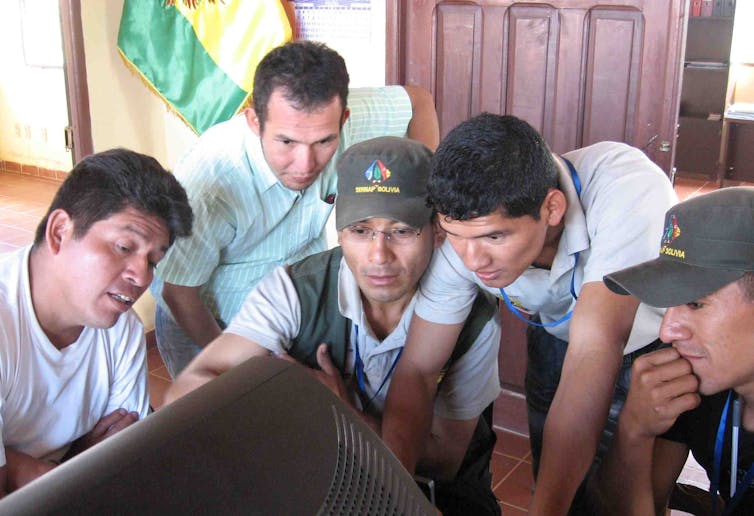
Research often depends on collaboration across groups. Here, Madidi National Park guards and Bolivian scientists work together in the protected area. Marcos Uzquiano, CC BY-ND

In ecological and conservation science research, locals are hired as guides or porters, and researchers often stay for days or weeks in communities while they are collecting data. This fieldwork period is filled with potential for knowledge exchange, where both parties can learn from one another. Indigenous communities in the Madidi region are directly dependent on local biodiversity. Not only does it provide food and other resources, but it’s vital for the continuation of their cultures. They possess unique knowledge about the place, and they have a vested interest in ensuring that the local biodiversity will continue to exist for many generations to come.


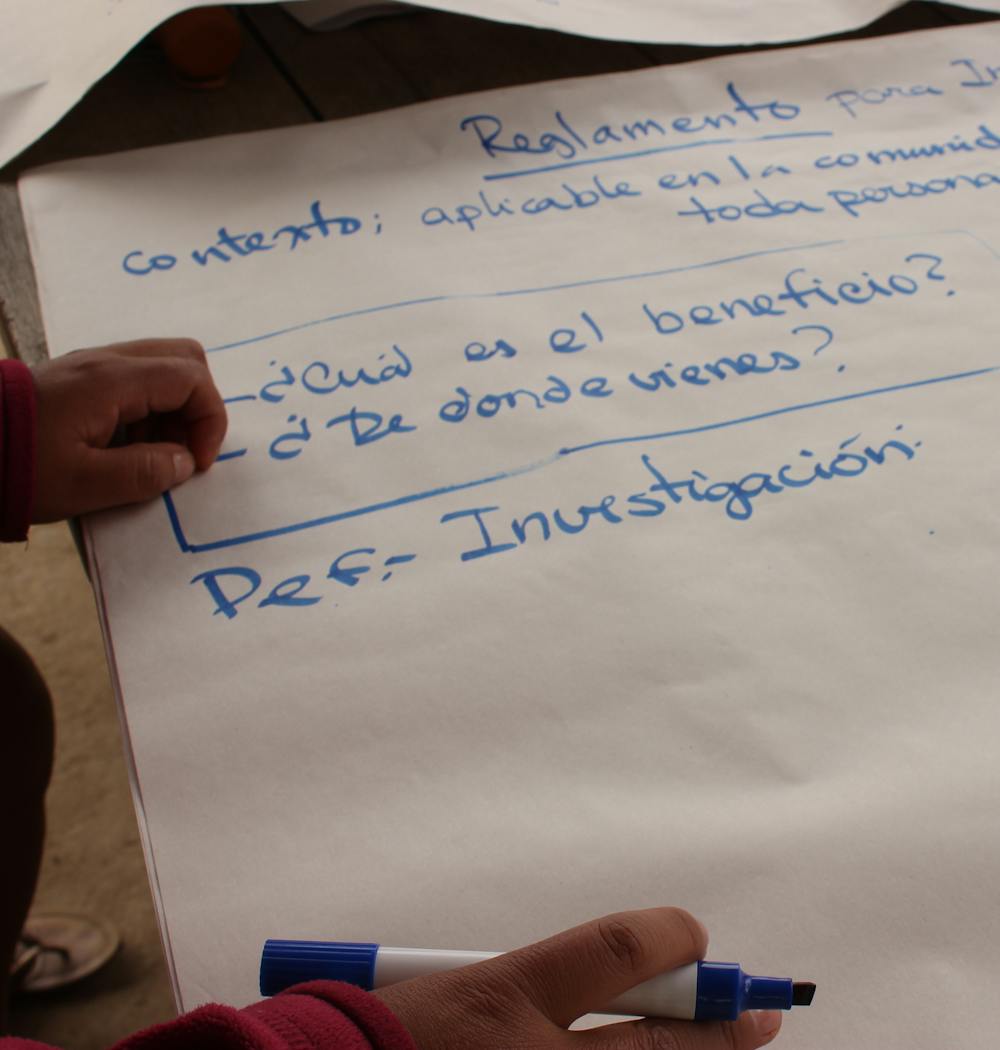
The author worked with two indigenous communities to develop ideas for how local leaders could negotiate future relationships with researchers. Anne Toomey, CC BY-ND

Rather than impact being addressed at the end of research, societal impacts can be part of the first stages of a study. For example, people living in the region where data is to be collected might have insight into the research questions being investigated; scientists need to build in time and plan ways to ask them. Ecological fieldwork presents many opportunities for knowledge exchange, new ideas and even friendships between different groups. Researchers can take steps to engage more directly with community life, such as by taking a few hours to teach local school kids about their research.

Of course, such activities do not make disseminating the results of research at multiple levels less important. But engaging additional stakeholders earlier in the process could make for a more interested audience when findings are available.

Whether studying hive decline with beekeepers in the United Kingdom or evaluating human-elephant conflicts in India, those affected have the right to know about the results of research. If “broader impacts” are to become more than an afterthought in the research process, non-academics need a bigger voice in the process of determining what those impacts may be.


Anne Toomey is Assistant Professor of Environmental Studies and Science at Pace University

This article was originally published on The Conversation. Read the original article.

The bench-to-bedside chasm in the Indian pharmaceutical landscape

In India, “Drug discovery” is a term lacking favour from both academicians and industry scientists alike. The academicians believe in the pursuit of science and unraveling the mysteries of nature as a noble calling which cannot be tainted by target driven research. And this is rightfully so, as the scientific mind must be unleashed to its full potential without constraints of forced outcomes. After all, Alexander Fleming was not planning to discover penicillin, but was only a keen observer of bacteria and moulds. Industry is scared of diving too deep into drug discovery due to the risk of investing money, which is often public/ shareholder’s money, into something which may or not succeed commercially. And industry leaders often shy away from deep examination of ‘research’ projects, again, rightfully so, as they are bound to effect the revenue stream.  As a result, nobody really owns the drug discovery process and the Indian scientific and pharma industry are in a place where there are no novel therapeutics that the Indian institutions can claim to be the originator of, and the pharma industry is heavily focused on generic medicines.


So, how do we bridge this bench-to-bedside chasm? The purpose of this article is to highlight some of the gaps in the Indian scientific and pharma landscape and hope that the relevant experts can consider the appropriate prescriptive steps towards closing the gaps.


The development gap: from R to D

There is a clear distinction between Research (R) and Development (D), which are often clubbed into the single term “R&D”, to indicate the continuity of research into its purpose. It is important to note that the “R&D” in the molecular life sciences -cell biology, biochemistry, molecular biology, biophysics, everything involving understanding of molecular level issues in living things, in Indian academic institutions largely constitutes the “R” part. The “D” or the development portion of R&D is not envisioned at all in the case of most R&D projects. Post the research finding, any idea needs to be developed fully into an actionable concept – which then moves to a “pilot (P)” phase where it is made or used in a limited setting and then it moves into commercialization phase. To take the pharma example, Research would constitute identifying the molecular mechanism of a disorder and potential areas of intervention. Development would be to take this understanding to design a usable intervention – which could be to test various targets and molecules or combinations thereof to arrive at one or more clear leads that are tested in pre-clinical studies. Then in the Pilot phase you produce clinical grade material for testing and this process continues till a suitable candidate for commercialization is arrived at. There are no strict demarcations between the R-D-P phases and the same group of scientists and resources can often cover all the three, provided it is envisioned to take the research to a pilot phase. In academia though, the end goal is often an excellent publication and not a product.


Finding new drugs is much easier said than done. However, the scope for invention within the realm of pharmaceutical sector, is much wider than finding new drugs alone. Good diagnostics which could include chemical/ biochemical assays or electronic tools are equally important for tackling the problem of human health. Storage of drugs that are temperature sensitive, delivery mechanism/ route of administration of drugs, combinations of drugs, using a known drug for a different indication, reducing the cost of making drugs, increasing access and reducing cost of  disease diagnosis, early and smart diagnosis – all are areas of innovation to be explored under the pharma sector.


It is also not necessary that the level of funding equals the level of innovation in R&D. “Necessity is the mother of invention” – and what better place than India which provides the widest socio-economic population with innumerable health problems as a huge opportunity space. Do our research organisations focus on any ‘necessity”? To begin with, it is not a societal necessity, but the necessities of the research community itself. The funding received by the academic institutions is significantly used for importing equipment and reagents. This results in the researchers not having the necessity to question the ability of the tools they use for their research. The question is if the tools used are not appropriate, would the outcomes of such research be innovative? We must remember that the advancements in X-Ray crystallography techniques allowed for the understanding of the double helix of DNA. Development of new tools often leads to new discoveries.   There may be a lesson to be learnt from the success story of ISRO, the well-known government funded space research organisation. Due to various political and funding reasons, there were probably limitations on a lot of imports, which led to significant indigenous efforts resulting in creating launch vehicle technology at a better competitive price than players in US and Russia. The inventive thought process is important- once a researcher gains the ability to create something that is useful, even if it is only for their own PhD thesis, it does something very important – it takes them from ‘research” to “development’.  The R to D journey is the first step in even considering piloting and commercialization. We need to consider if we are over-enabling our researchers leading to no pressure to be creative. Also, investing in fabricating their own tools or making reagents, helps reduce the overall cost of the research, thereby leaving funds for more exciting avenues. Having said that, it shouldn’t be about re-inventing the wheel, but thinking whether the available wheel is appropriate for the intended purpose or its historical design limits the outcomes of the research.


To close the “development gap” we may need to take steps to make us think about D separately, else it gets shadowed by R.  One area could be separation of funding for R and D. It’s important that the government plays a significant role for funding development projects also and incentivises both the institutions and industries participating in these projects. Any funding for ‘translational research’ should be based on clear demonstration and proof -of -concept of ‘translatability’ to be qualified for such funding. We could also enhance the sensitization for bringing in a development mind-set to our researchers.


Institutions need to consider an office whose role is to be a patenting and idea-finding centre that will take the available research, assess for patentability and further development.  This office needs to actively liaison with small and large industries to seek projects or to provide ideas coming out of the research labs to suitable industries. Essentially, a match making office that helps both sides find a development idea that can then be either taken up by the institute or by the industry and a joint work and funding model can be established.  Without active and intensive match-making efforts, academia and industry will continue to further go their own ways, each looking outside India. The co-location and collaboration of professionals in medical and institutional research is essential if we desire to foster innovations to cater to human health problems.


Medical schools do medical research and often physicians work with pharma industry on trials that the pharma industry is keen to conduct, again probably with a large percentage with only generic medicines. There are physician led trials but again in a limited space wherein new molecules are rarely tried. In fact, it is surprising that in India, we don’t have a good regulatory framework that allows new molecule studies or trials, while the generics (small molecules or /and biosimilars) all have well-defined regulatory approval pathways. There is a lot to be done in how we curate and handle medical data, which could be an entirely separate topic. Here, the suggestion is to just bring together medical and molecule level researchers so that the science between them is connected and brings about a place where development of innovative therapies can take This initiative may need to be taken by research institutions by reaching out to medical schools and understanding the unmet needs of the medical community. Further, a review of clinical trial literature in various therapeutic areas would be helpful in assessing where their research can be directed. It may be useful to assess how universities in the US foster such collaborations between research and medical school, by inviting such professionals to be participate in establishing the vision for the research institutes.


The vision gap

Who should think about how to solve human health issues – science institutions or medical institutions or pharma industry or government? The right answer has to be: all of them together. However, where and why would they all come together? Institutional boards or steering committees have distinguished scientists from all over the world, but rarely do they include reputed medical professionals or industrialists. Similarly, hospitals lack any outreach into high end research laboratories or scientists.  Pharma industry steering committees will often have scientists, medical professionals and industry leaders all together, but these committees work at a high level to enable the pharma company’s business objectives since it is an industry led committee, i.e. appointed by the industry. Government or institution led platforms may serve better to allow more collaborative, exploratory and innovative discussions.  It is safe to say that currently there is no vision in the country to work towards novel therapies. Innovation will only come about in a highly collaborative ground including scientific, medical, technology and industry specialists.  No one can force innovation, but it can be facilitated through creation of the right ecosystem and collaborative environment.


Policy makers are pushing institutions to collaborate with industry, with grant incentives. This is enabling some conversations between the two, but the real meeting of minds has not yet happened. In these conversations, both academicians and industry are risk averse. The academicians do not want to be rushed on timelines and be tied to milestones and industry doesn’t want to spend resources on academic research projects. There are no common goals or necessities that would drive the appropriate collaboration. Government agencies have significant influence over industry, academic institutions and medical institutions and can hence play a pivotal role in establishing governance bodies that can ensure that the funding provided for development is used for truly collaborative endeavors resulting in development of products.  Innovative forums or workshops with experts from academic institutions, medical institutions and pharma industry need to be brought together by government to co-create actionable development ideas could work towards short and long term plans that envision mechanisms that lead to development of indigenous solutions to medical problems.


In summary, India has a significant opportunity space to explore unmet medical needs that can result in innovations that benefit the world. There are a significant number of research institutions with infrastructure and people capable of exploring this opportunity. The generic pharma industry is mature enough to plunge into novel pharmaceutical development if the research and medical community reach out with developed/ pilot stage ideas.  A strong push from the government to ensure that the capability meets opportunity is needed to build the platform for innovation in pharmaceutical development.


Dr. Sridevi Khambhampaty is Vice President, Biosimilar Product Development at Intas Pharmaceuticals, Ahmedabad. She has been in the Indian pharma industry for the past 12 years after completing postdoctoral studies at the Stanford University School of Medicine, California, and holds a PhD degree from NCBS-TIFR. The views expressed are her personal views.


Collaboration of Science and community for the conservation of savannah grasslands and endangered Lesser florican


Ones upon a time, the western part of Vidarbha region of Maharashtra was known for its rich savannah grassland ecosystems. During colonial times Britain’s increasing demand for cotton was not met due to war situation in cotton growing areas of Egypt. Thus, huge belts of Vidarbha grasslands were converted into cotton farms (Laxman satya 2004)1. In 2001 Samvedana initiated a socio-environmental study involving Phasepardhi tribe of traditional hunters. It is the only tribe with traditional knowledge of savannah grasslands. During this study we came across an endangered species of bird Lesser florican (Sypheotides indicus). The presence of florican and its breeding was also part of traditional knowledge of the Phasepardhi tribe. In-situ conservation of traditional grass species was initiated by the tribe as this was the source of fodder for their livestock.

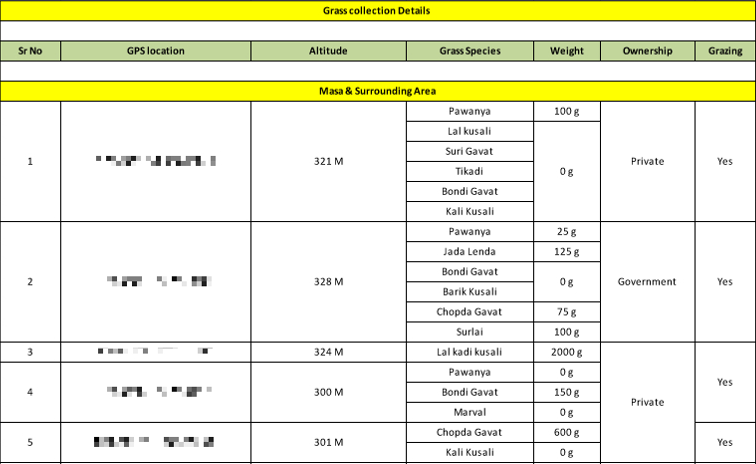
Samvedana continued its work through Maharashtra Gene Bank Program with Rajiv Gandhi Science and Technology Commission and Indian Institute of Science Education and Research (IISER Pune) in 2015. Community conservation areas have been developed and managed through Biodiversity Management Committees (BMC) established under biodiversity act 2002. Scientific studies of grassland biodiversity, quantification of fodder availability and territory of florican has been carried out during the project. Training programs on scientific methods of biological resource mapping were conducted with the community youths.  Youths implemented this knowledge by classifying grass species, doing herbarium, using GPS devises and plotting quadrats in community conserved areas. Projection of specie-wise yield of fodder production was calculated. Selection of areas for grass species conservation and fodder development has been planned through these studies. This is the only effort to conserve and manage grassland biodiversity resources using scientific methods in the project area.

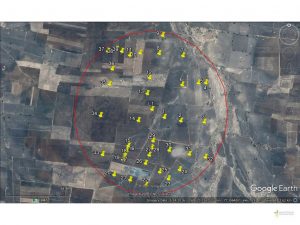
In another important study, which is being conducted with the participation of knowledgeable individuals belonging to the Phasepardhi tribe is mapping of territory of Lesser florican. Though it is proved that the small population of florican is present in the project area, its habitat preferences and adaptation is not known to scientific community. The study is planned to know these grassroot parameters with the active help of knowledgeable individuals from the tribe. The GPS locations of recent sightings of florican were documented. Each site is marked with round of 2 square kilometres (as it’s a projected territory of floricans) and further divided into each land piece. Details of each land piece is documented i.e. land use pattern, biodiversity mapping and tenure.

Image1.


Outcome of this study will help not only to understand the present habitat preferences of the bird but also identify the possible areas where it could be sighted. The proportion of agricultural land and grassland is also measured. Associations of bird with certain species or landscapes could also be projected. In addition to this the study gives an opportunity to the tribe to use their traditional knowledge for new constructive areas other than hunting. Such initiatives help in the changing the social identity and stigmatisation of the Phasepardhi tribe as wildlife poachers.


These participatory efforts open up new avenues in the study of grassland biodiversity in the region and options for collective knowledge building.

References

1(Laxman satya, Ecology, Colonialism and Cattle: Central India in the Nineteenth Century (Studies in Social Ecology and Environmental History oxford university press 2004)   

 Kaustubh Pandharipande, sighting of endangered lesser florican in Akola District Maharashtra, Mistnet January-March 2016, Vol 17 no 1